About Uzbekistan
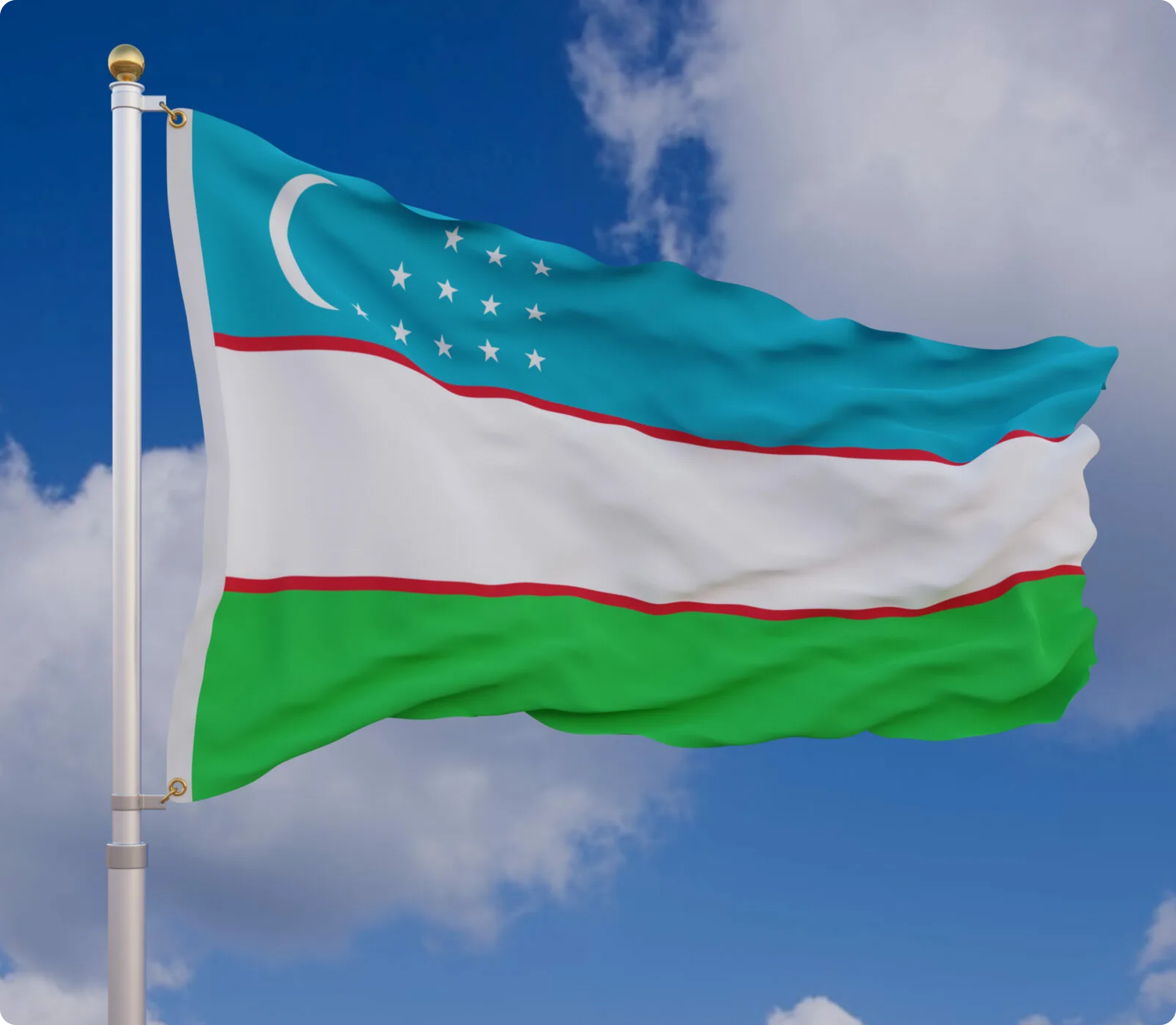
About Uzbekistan
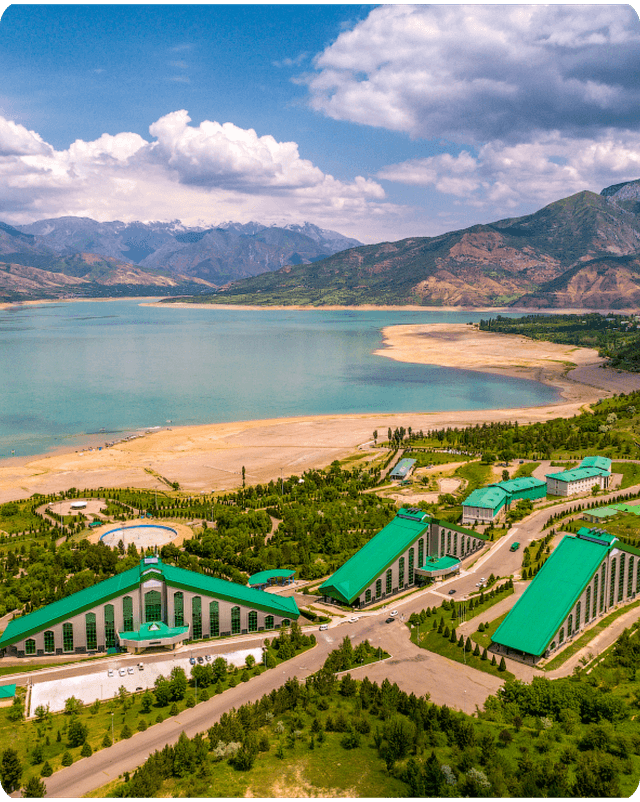
The Republic of Uzbekistan is located in Central Asia and covers an area of 448.9 thousand sq. km. The territory of the republic extends 1,425 kilometers from west to east and 930 kilometers from north to south. Uzbekistan is a state in Central Asia that does not have access to the World Ocean and is one of two countries in the world that have been twice deprived of access to the sea. A significant part of the country's territory is occupied by the Kyzylkum Desert, as well as semi-desert and steppe zones; mountain areas are located in the east and southeast. The main water arteries are the transboundary rivers Amu Darya and Syr Darya. Uzbekistan belongs to the Aral Sea region and shares the Aral Sea with Kazakhstan. There are few large natural lakes in Uzbekistan; the most famous is the Aydar-Arnasay lake system. The distance from the oceans determines the sharply continental climate of the country. The administrative-territorial structure of the country includes
The population of Uzbekistan exceeds
Climate description
The climate of Uzbekistan is classified as continental, with hot summers and cool winters. The southern part of the country is the warmest, and the northern part is the coldest. In summer, temperatures often exceed 41 °C (106 °F), and can even reach 45 °C (113 °F) and above. Air humidity is not high. Winter temperatures average around -8 °C (18 °F), but can drop to -40 °C (-40 °F).
 -8in the winter
 +45in the summer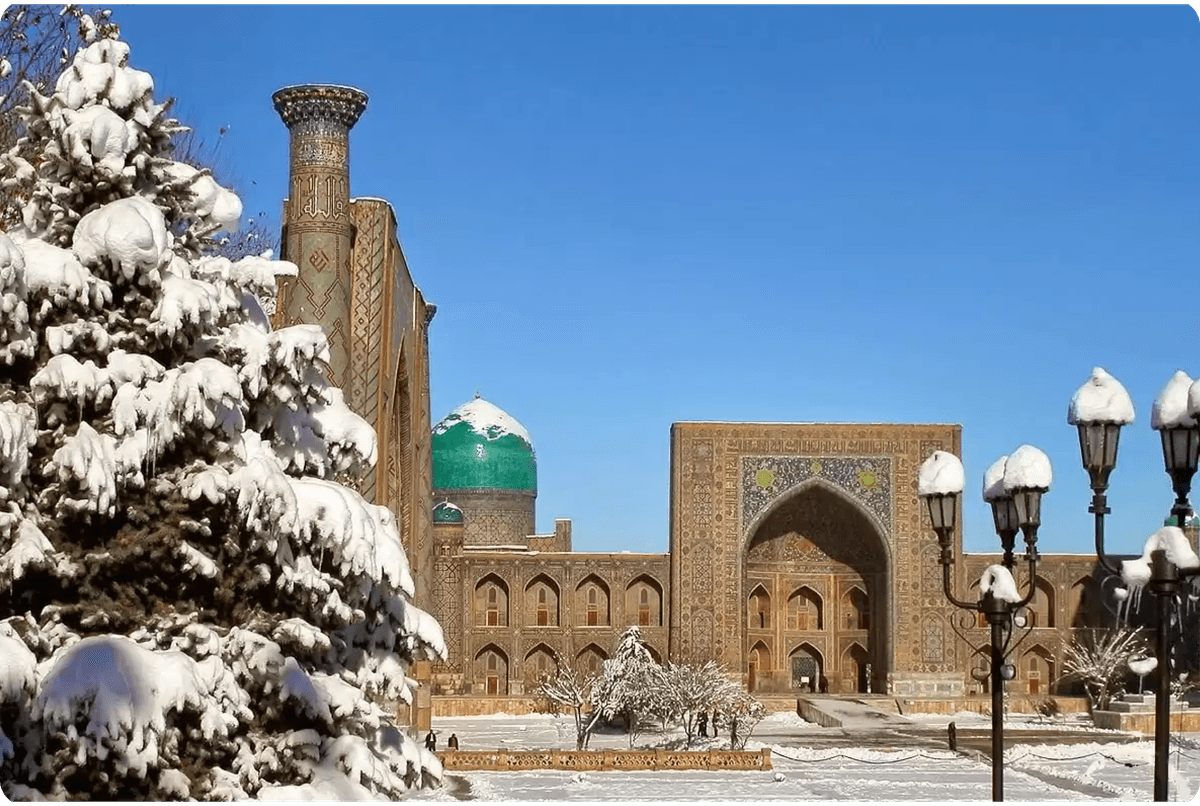
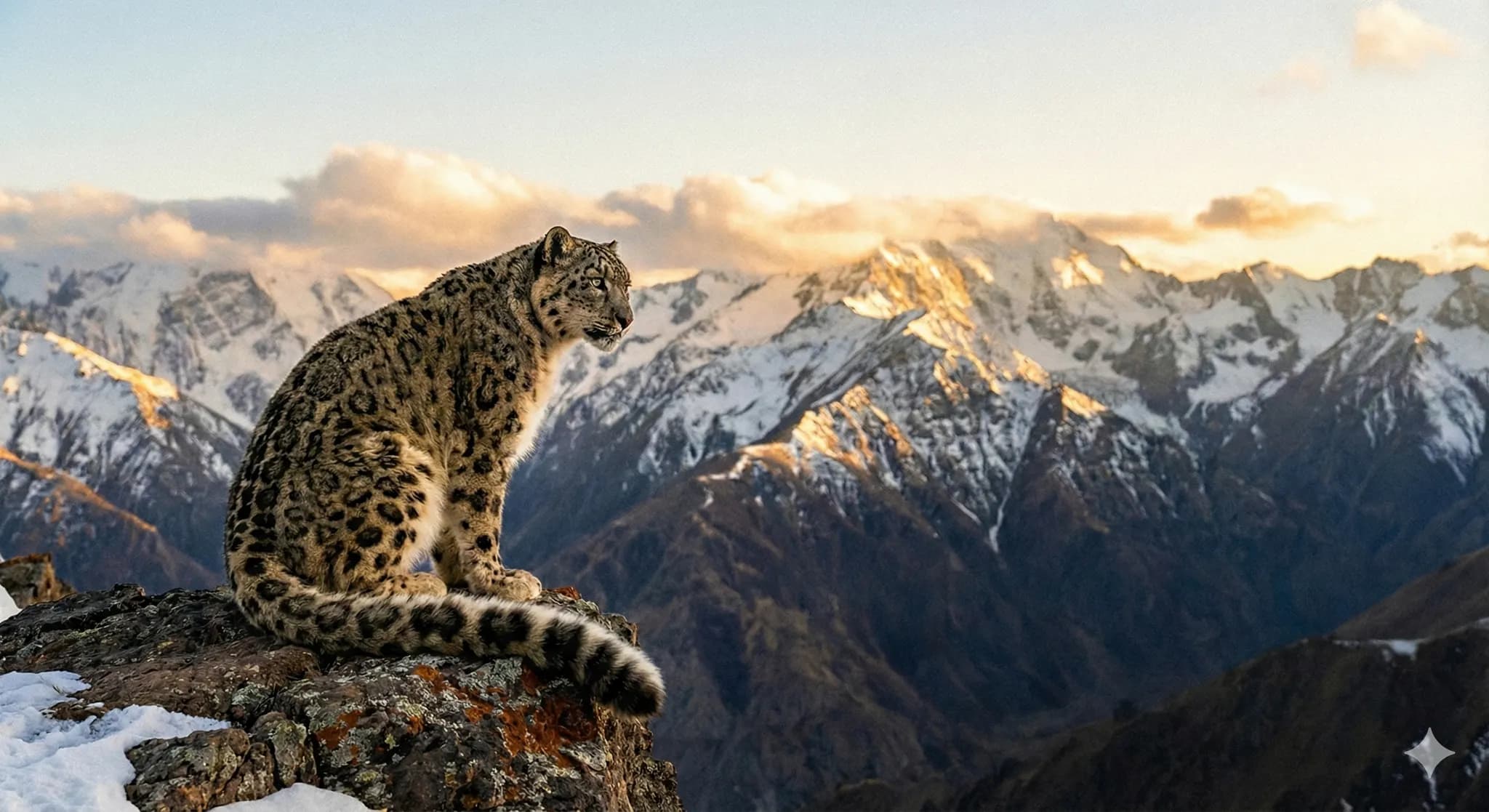
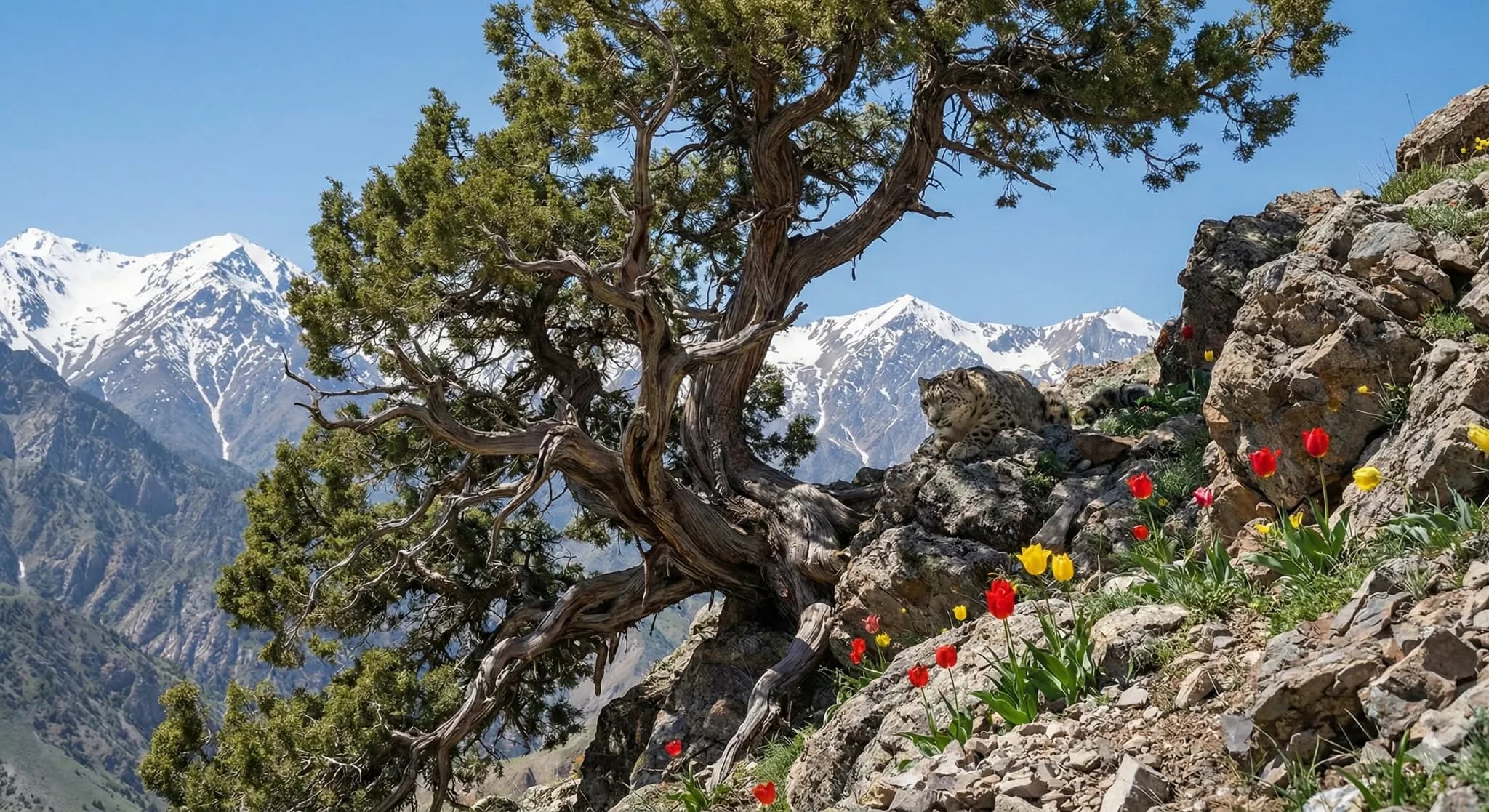
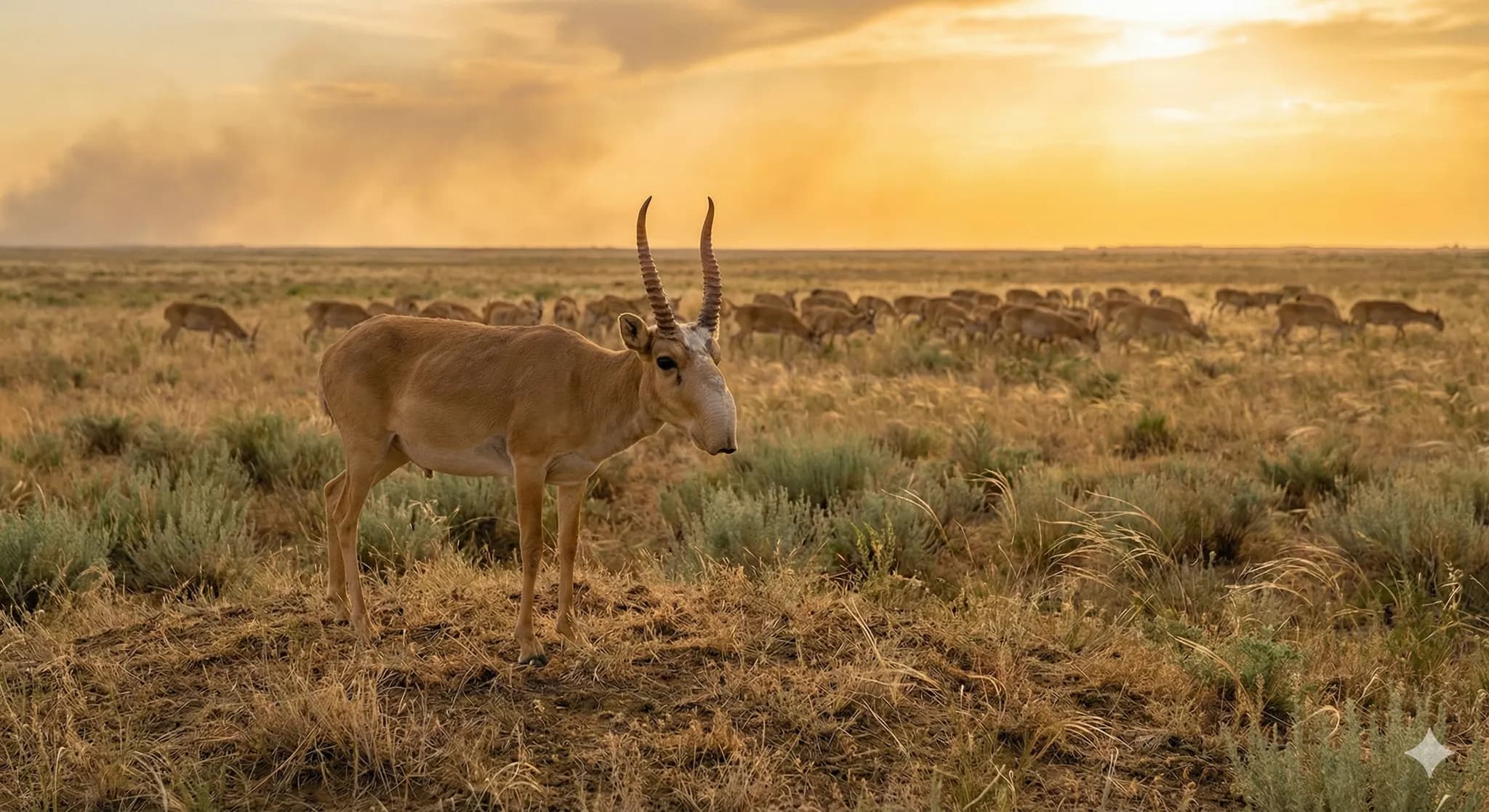
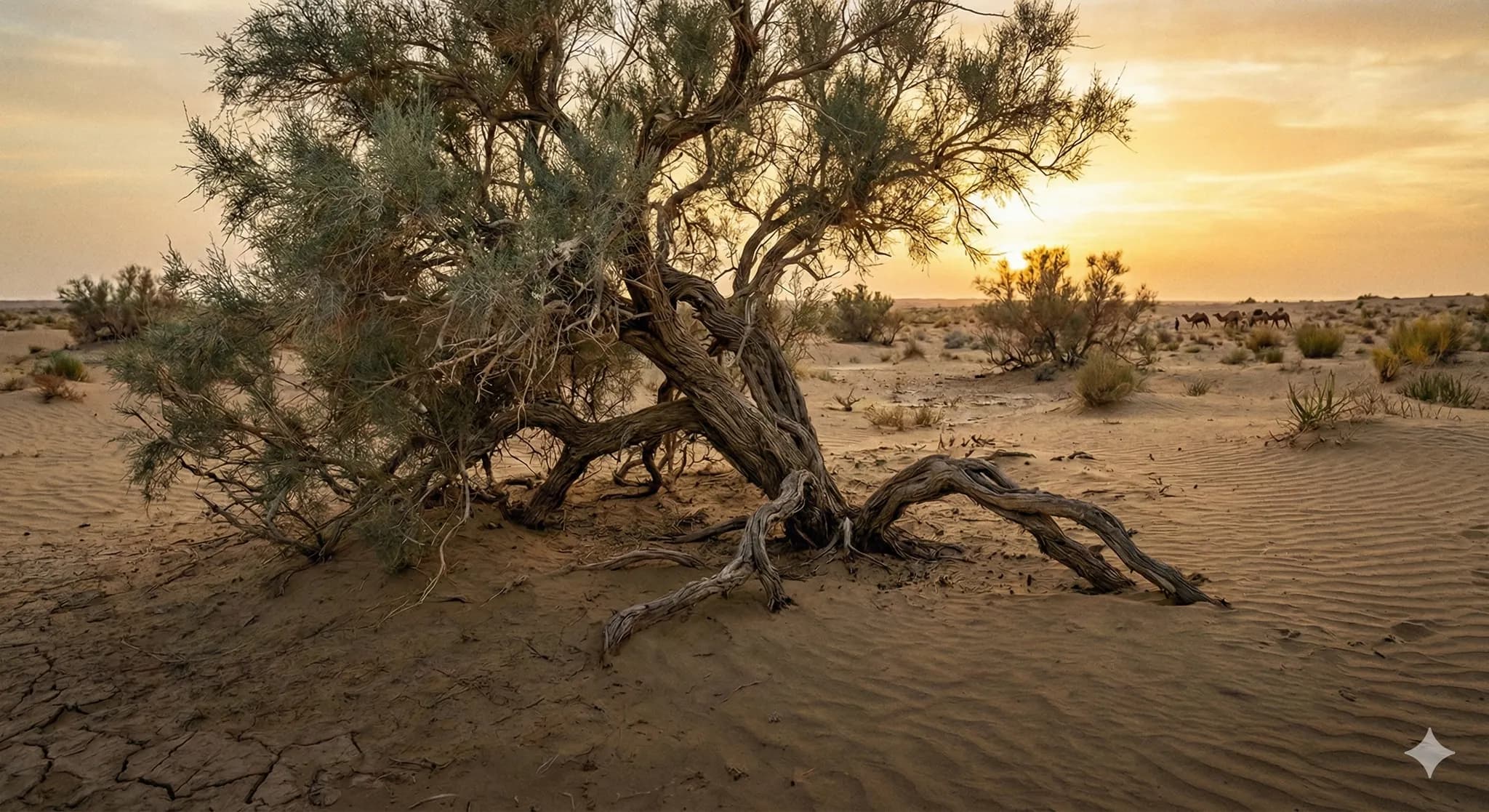
The flora and fauna
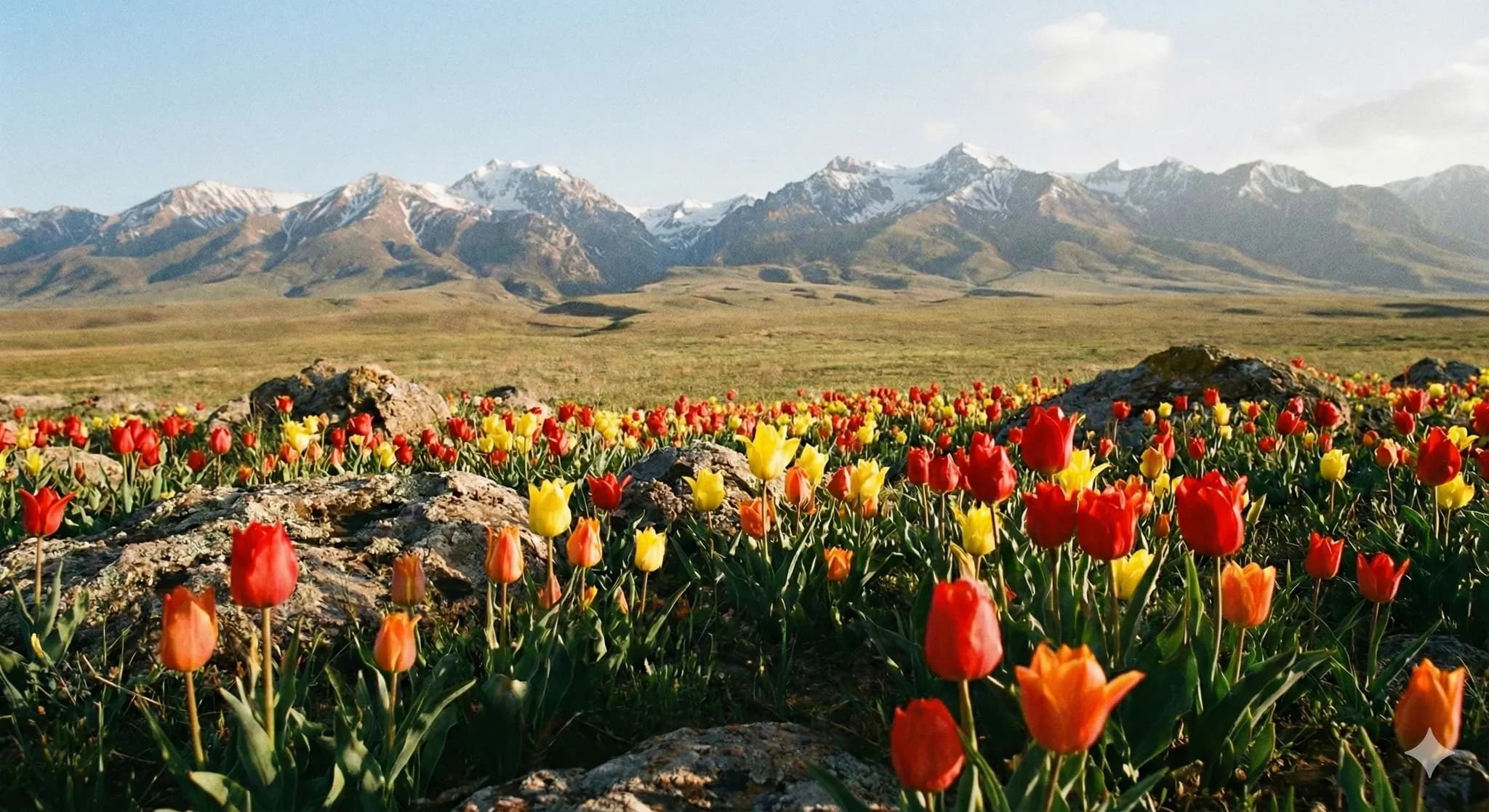
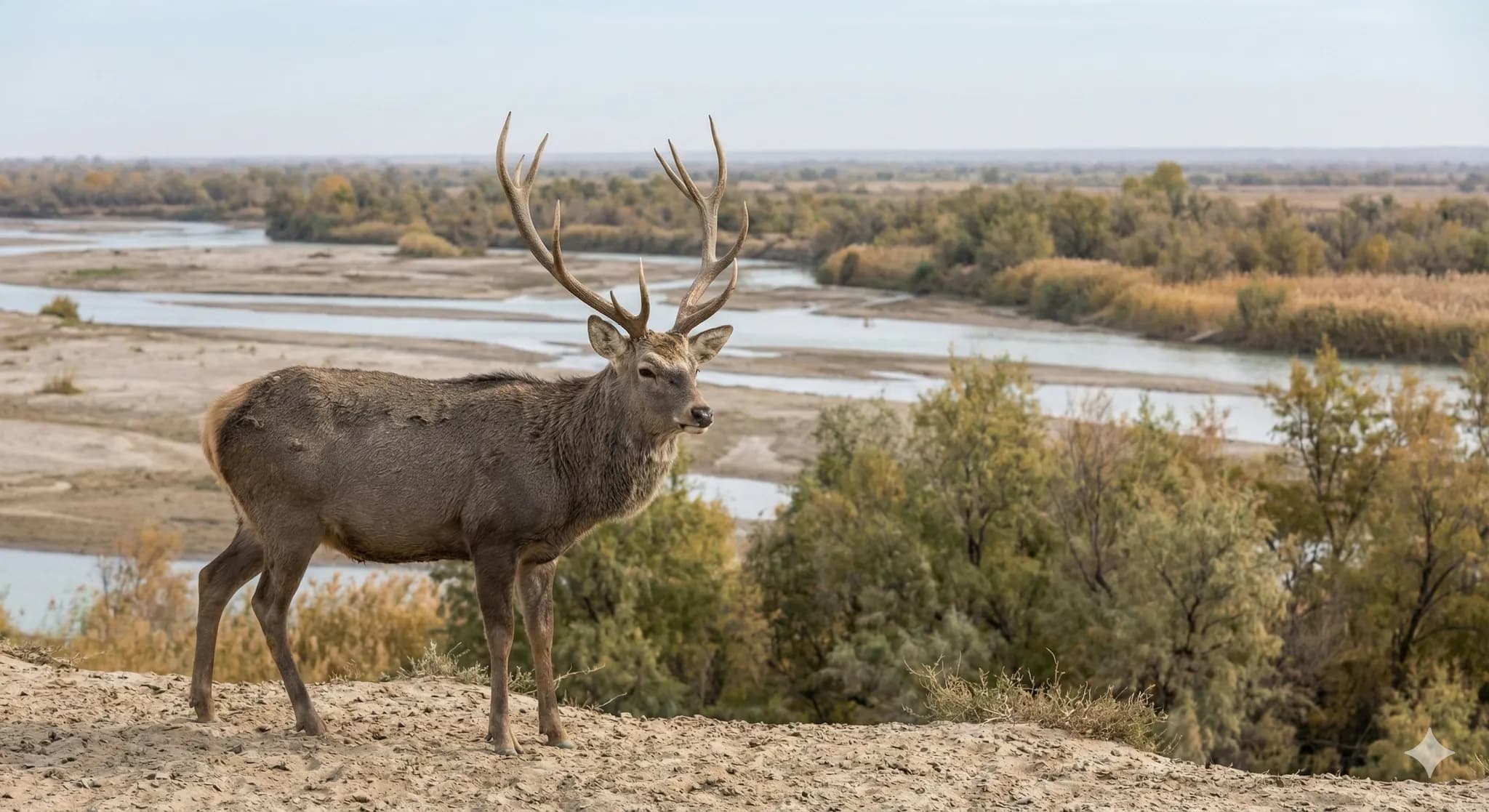
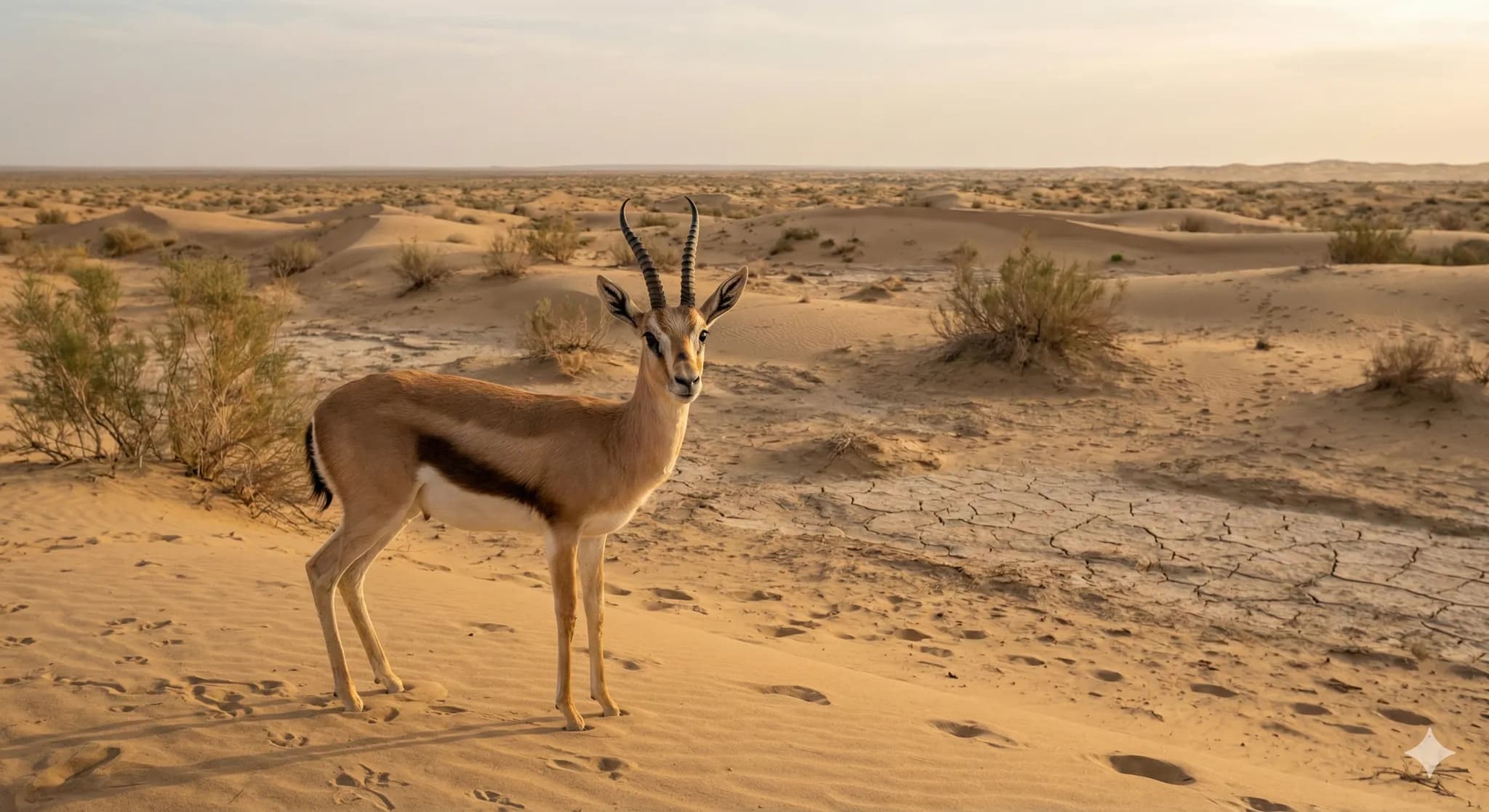
The total biological diversity of Uzbekistan comprises over 27,000 species. Tall and higher plant species stand out in the country's flora. There are approximately 4,500 species of higher plants and over 2,000 species of fungi on the territory of the Republic of Uzbekistan. Among them, over 300 are rare and relict species in need of serious protection. 314 plant species are listed in the Red Book of the Republic of Uzbekistan. About 65 species of wild medicinal, food, and industrial plants are grown in the republic annually. The following species produce the greatest number of harvests: licorice, ferula, capers, and rose hips. The fauna of Uzbekistan includes 715 species of vertebrates (107 mammals, 467 birds, 61 reptiles, 3 amphibians, and 77 fish), as well as over 15,000 species of invertebrates. 206 animal species are listed in the Red Data Book of the Republic of Uzbekistan. As a result of increased environmental management over the past ten years, many animal species in Uzbekistan have been subject to significant anthropogenic impacts, their ranges and populations have declined, and some have become completely extinct (the Asiatic cheetah and Turan tiger).
Strategic vision and documents
Uzbekistan has adopted the following Strategic Documents:
- 1Decree of the President of the Republic of Uzbekistan, dated 11.09.2023 No. UP-158, On the Strategy "Uzbekistan – 2030"
- 2Decree of the President of the Republic of Uzbekistan, dated 30.01.2025 No. UP-16, On the State Program for the Implementation of the Strategy "Uzbekistan — 2030" in the "Year of Environmental Protection and "Green Economy"
- 3Decree of the President of the Republic of Uzbekistan, dated 30.10.2019 No. UP-5863 "On Approval of the Concept of Environmental Protection of the Republic of Uzbekistan until 2030"
- 4Resolution of the Cabinet of Ministers of the Republic of Uzbekistan, dated 11.06.2019 No. 484 On Approval of the Strategy for the Conservation of Biological Diversity in the Republic of Uzbekistan for the period 2019-2028
- 5Resolution of the President of the Republic of Uzbekistan, dated 17.04.2019 No. PP-4291, On Approval of the Strategy for Solid Waste Management in the Republic of Uzbekistan for the period 2019-2028
- 6Resolution of the President of the Republic of Uzbekistan, dated 06.10.2020 No. PP-4850, On Approval of the Concept for the Development of the Forestry System of the Republic of Uzbekistan until 2030
- 7Resolution of the President of the Republic of Uzbekistan No. PP-184 dated 15.05.2025, "On Approval of the Concept for Improving the Environmental Culture of the Population for the period until 2030" and others.

National initiatives
Green University
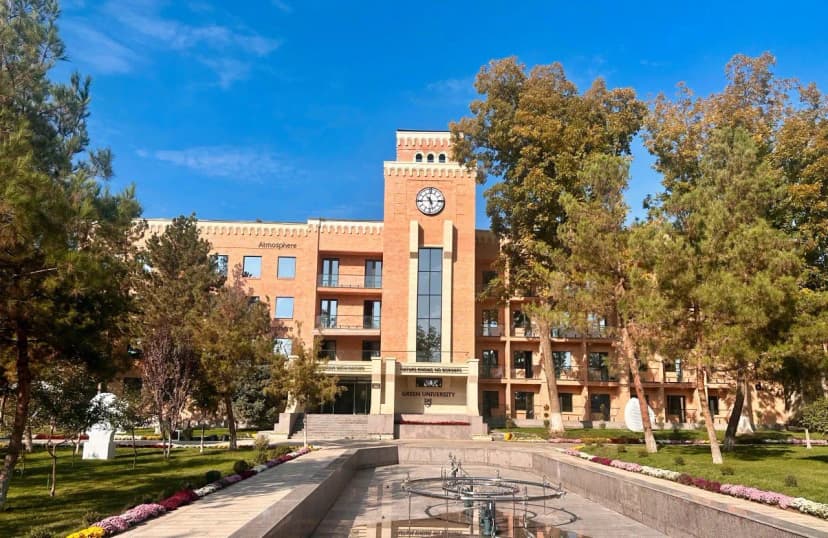
Central Asian University for the Study of Environment and Climate Change (Green University), aimed at developing regional cooperation and training a new generation of leaders in ecology; the Council includes ministers from Central Asian countries, as well as representatives from Azerbaijan and Mongolia

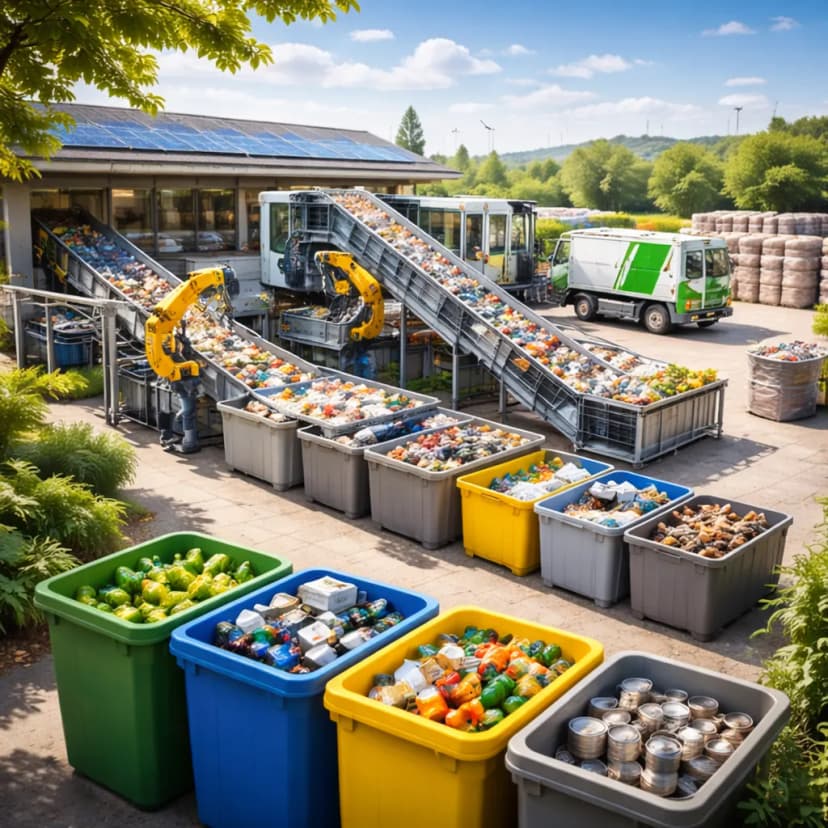
Uzbekistan without plastic waste
National program
Nationwide project "Waste-free territory"
Aimed at improving the waste processing and management system

Nationwide project "Clean Air"
Nationwide project "Clean Air", aimed at improving the quality of atmospheric air
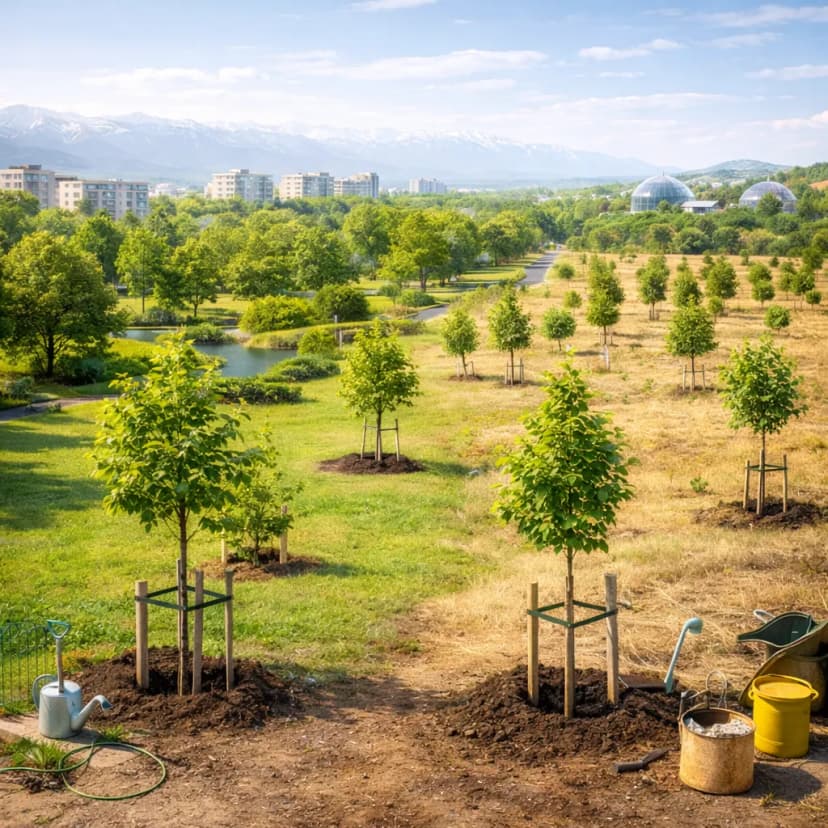
Nationwide project "Yashil Makon"
Provides for annual planting of 200 million trees, increasing the area of green zones by 30% by 2030, as well as creating botanical and dendrological parks with a total area of at least 100 hectares by 2028 in the Republic of Karakalpakstan, regions and the city of Tashkent

Nationwide project "Eco-culture"
Nationwide project "Eco-culture", aimed at forming eco-traditions and widespread promotion of an ecological lifestyle among the population
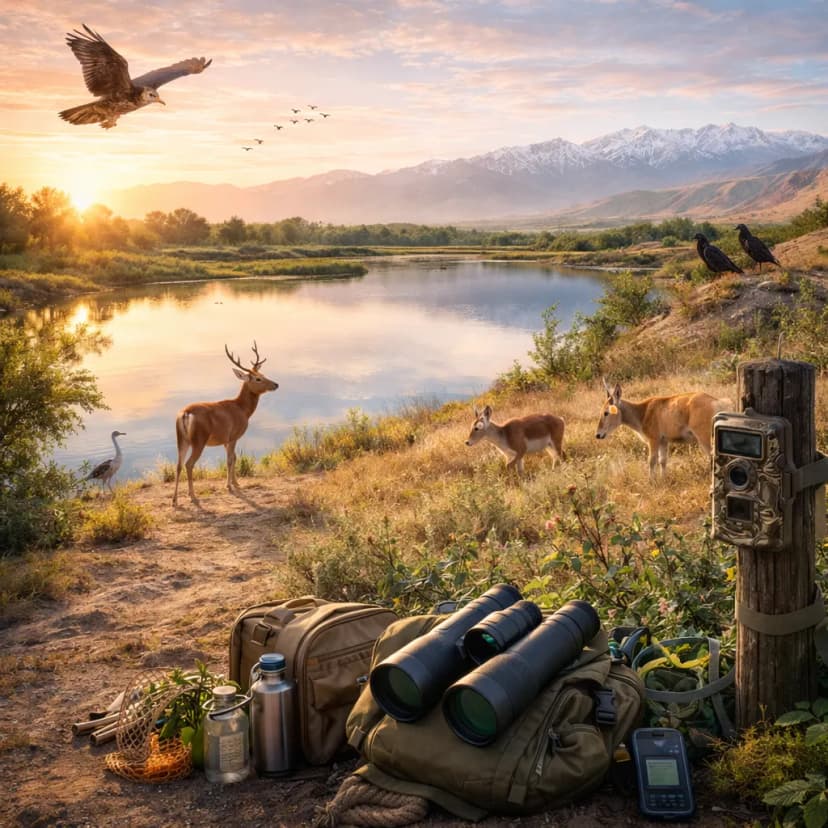
Nationwide project "Bio-heritage"
Nationwide project "Bio-heritage", aimed at preserving biodiversity for future generations

"Eco-project Factory"
"Eco-project Factory" in the field of ecology with the involvement of up to 15 foreign and domestic experts under civil law contracts
International events held

November 13–17, 2023, Samarkand
21st session of the Committee for the Review of the Implementation of the Convention to Combat Desertification and Drought (CRIC-21)
February 12–17, 2024, Samarkand
14th meeting of the Conference of the Parties to the Convention on the Conservation of Migratory Species of Wild Animals (CMS COP14)

April 4–5, 2025, Samarkand
First Samarkand International Climate Forum

June 19–21, 2025, Tashkent
First International Exhibition of Environmental Technologies Eco Expo Central Asia 2025
November 24 – December 5, 2025, Samarkand
20th Conference of the Parties to the Convention on International Trade in Endangered Species of Wild Fauna and Flora (CITES CoP20)
Upcoming international events

May 30 – June 6, 2026
The 8th GEF Assembly and 71st GEF Council meeting will be held in Samarkand.
May 31 – June 5, 2026
The International Exhibition of Environmental Technologies Eco Expo Central Asia 2026 will be held in Samarkand.