Tajikistan
About the Country
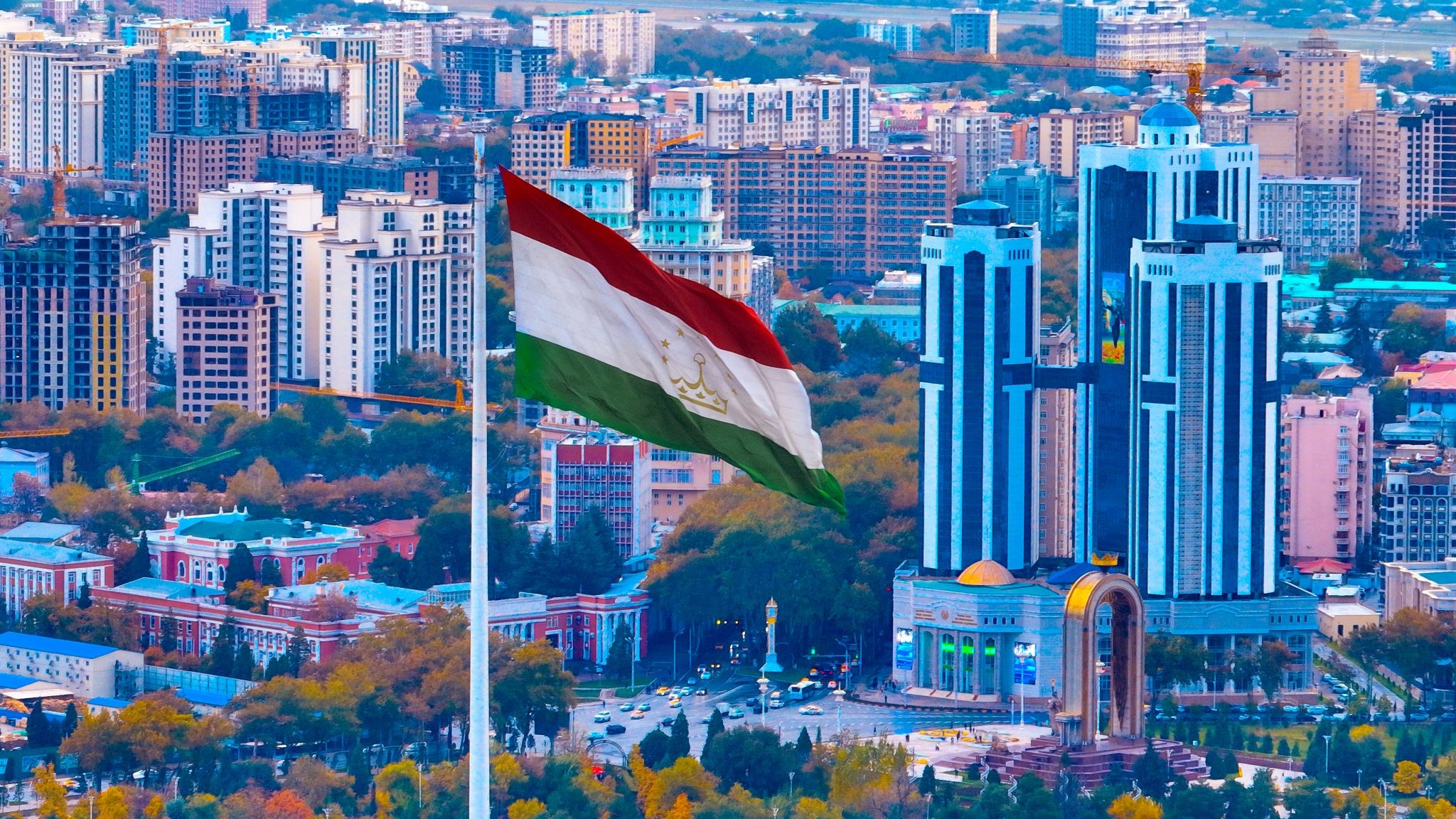
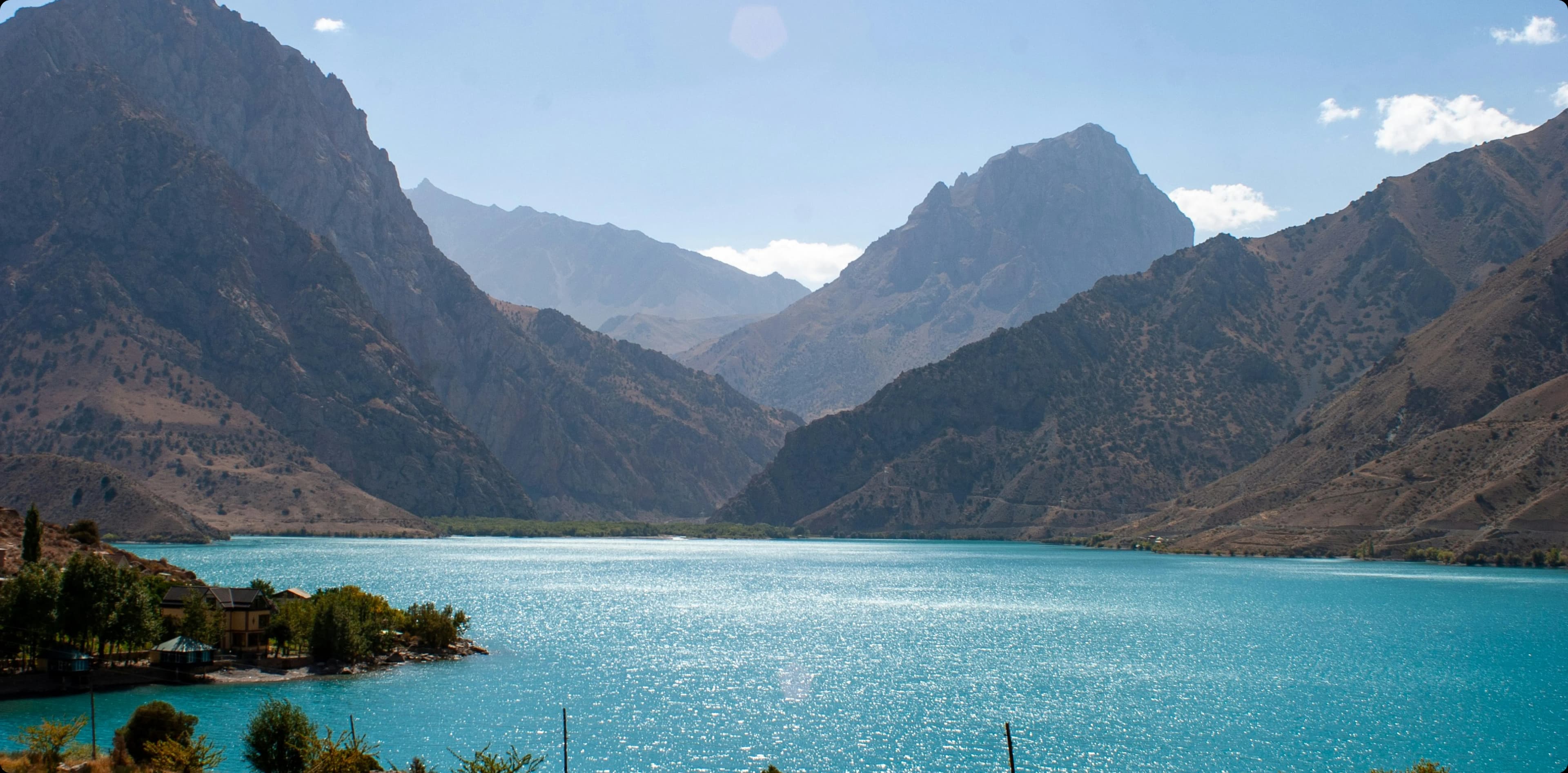
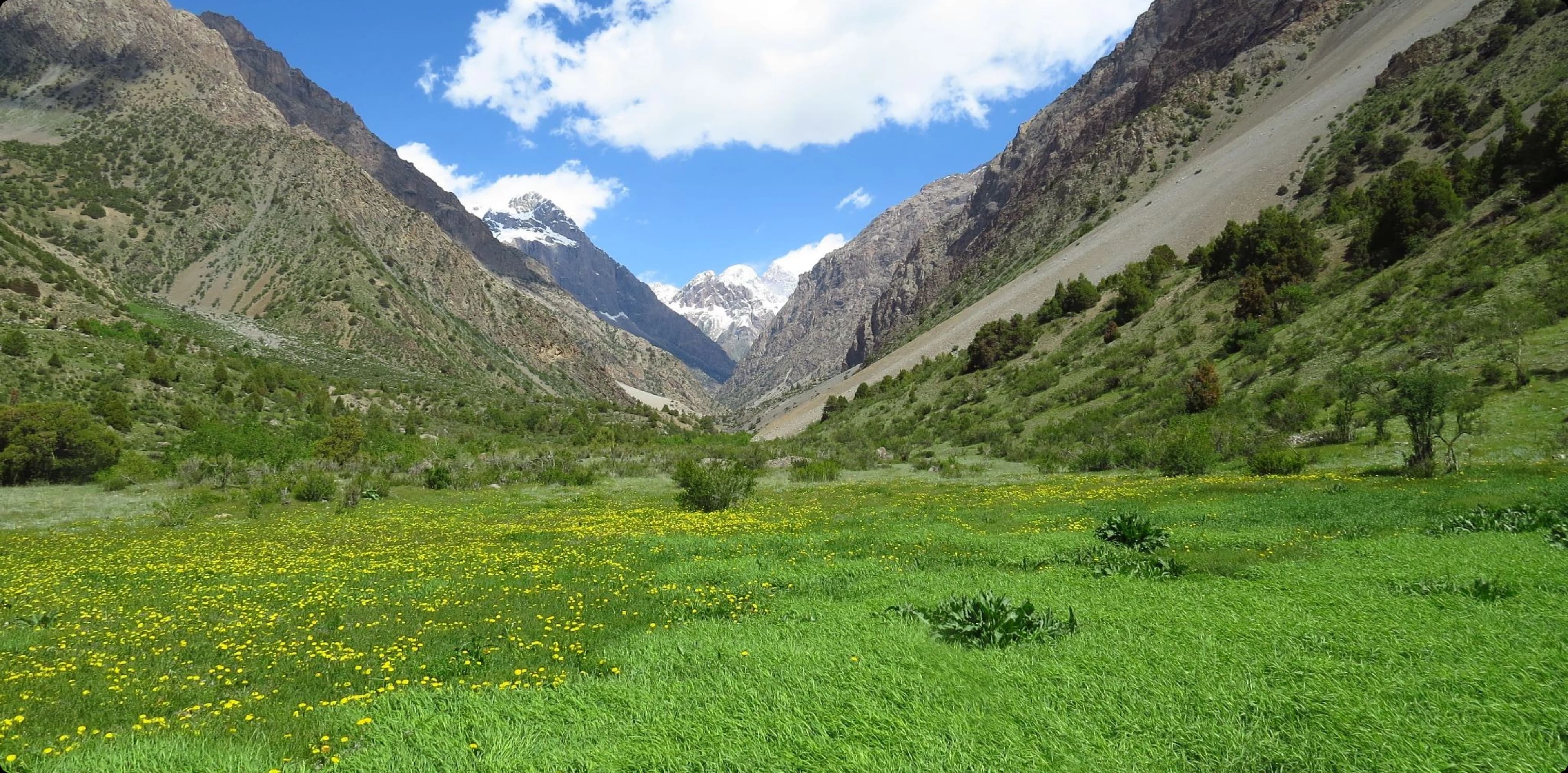
Tajikistan is a mountainous, landlocked country in the heart of Central Asia. Mountains cover more than 93% of its territory, with the majestic Pamir and Alay ranges dominating the landscape. Tajikistan is a vital source of water for the region, generating approximately 60% of Central Asia's water resources. The country is renowned for its stunning natural beauty, high-altitude lakes, and rich Persian cultural heritage. It is actively developing its vast hydropower potential to drive a green economy. Dushanbe, the capital, is a growing hub for regional diplomacy and sustainability.
Climate Description
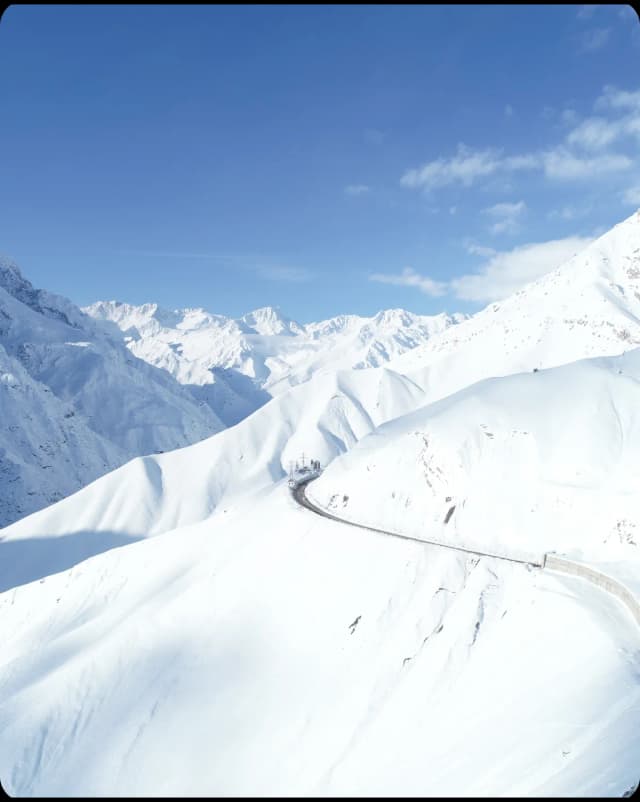
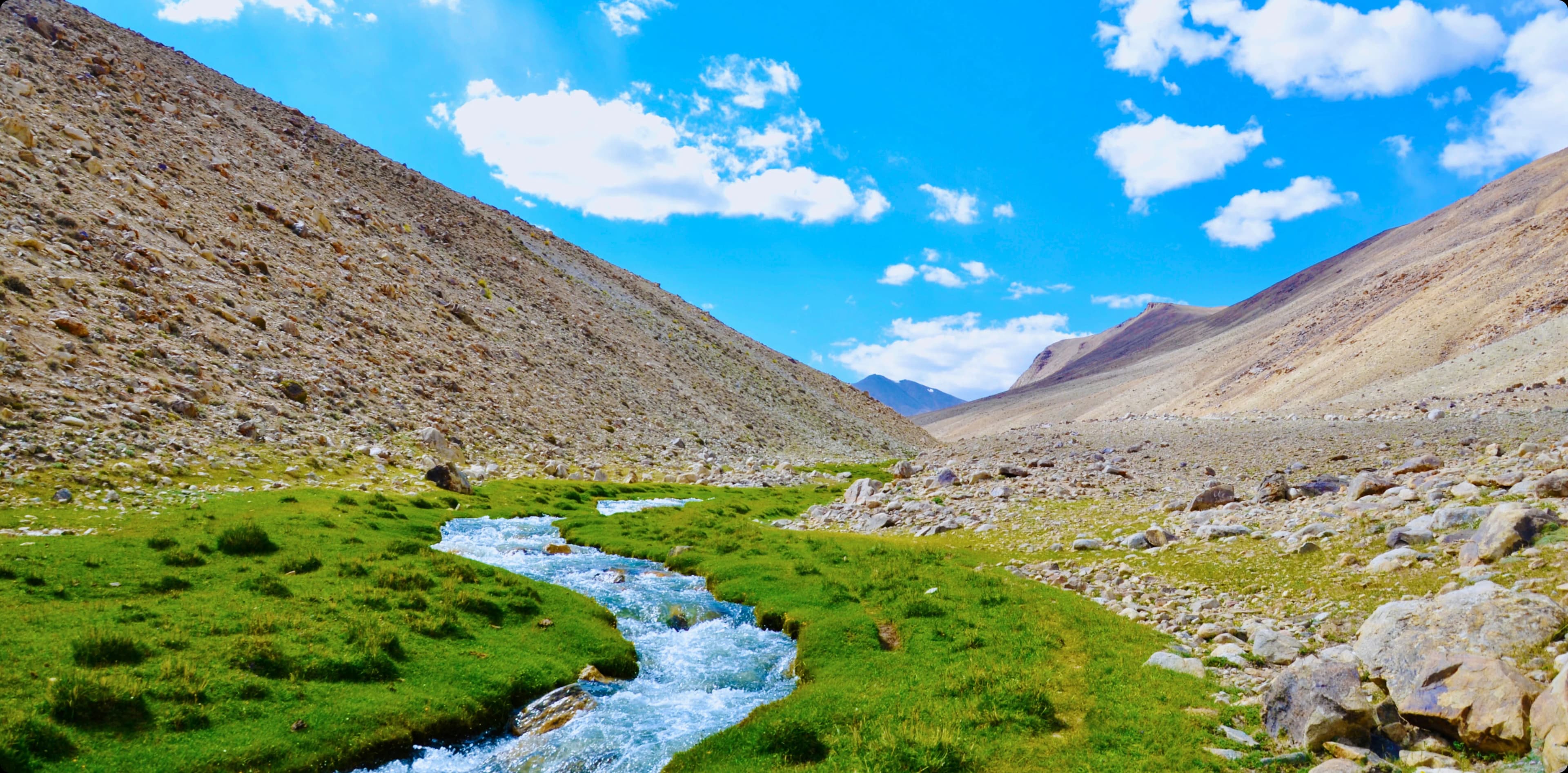
The climate is continental, changing drastically with altitude. Lowland valleys experience hot, dry summers and mild winters, while high mountain areas feature polar-like conditions with year-round snow. Tajikistan is home to thousands of glaciers, including the massive Vanjyakh Glacier. These glaciers are vital for regional sustainable water management but are increasingly vulnerable to climate change.
 -60winter in the Pamir highlands
 +40summer in the valleys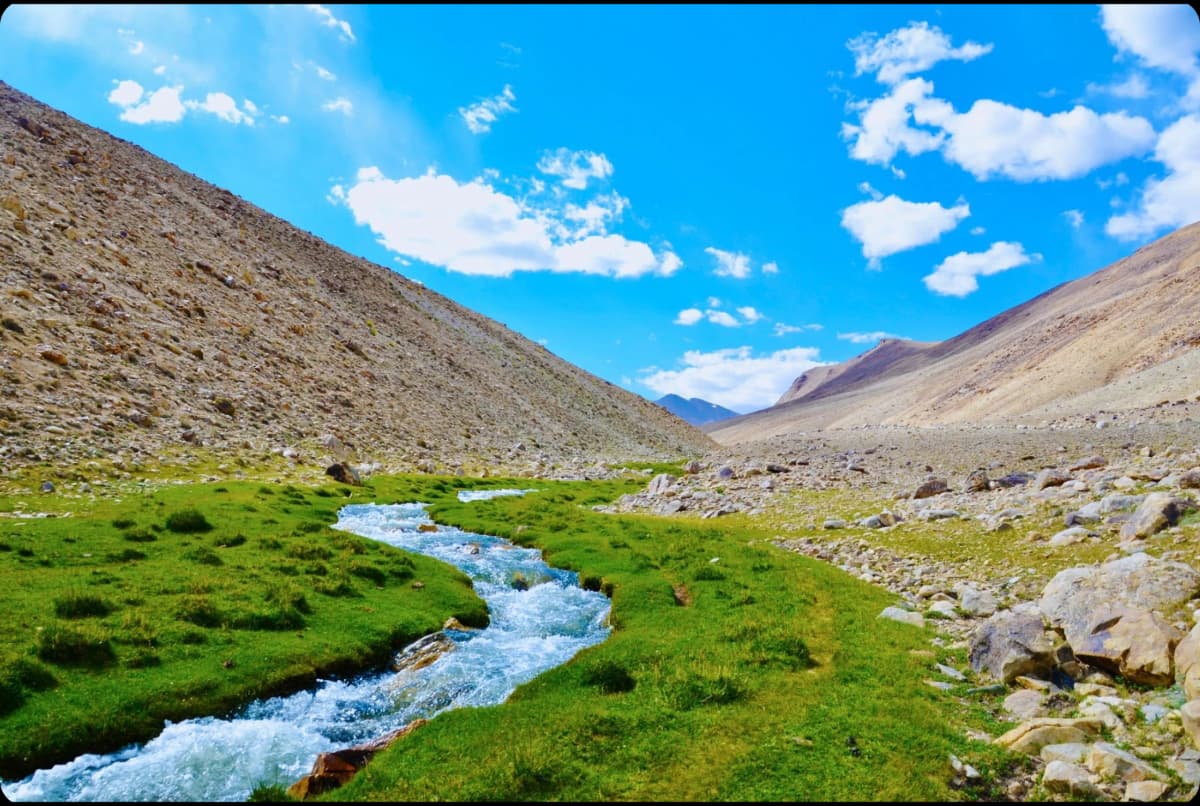
The flora and fauna
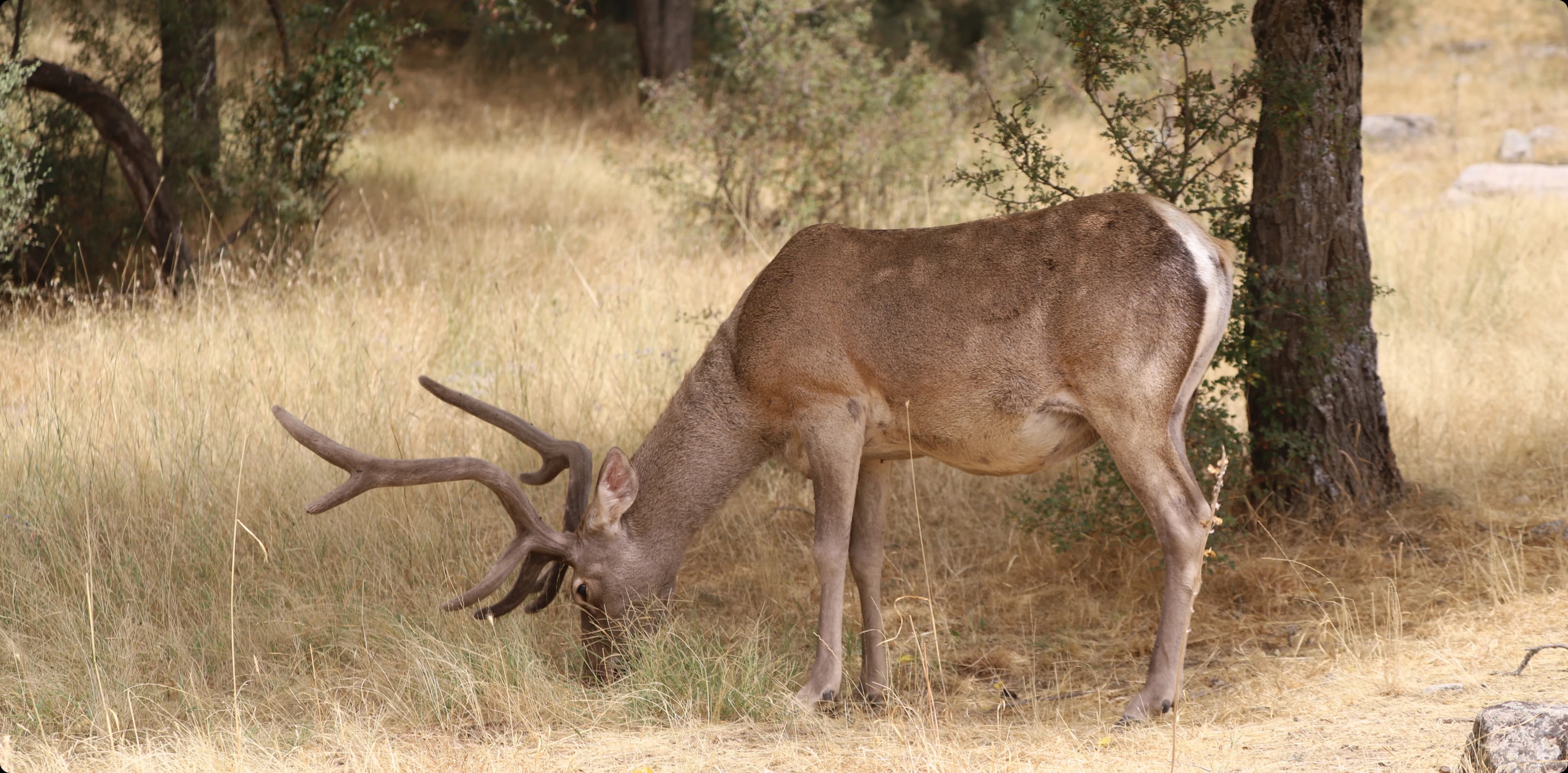
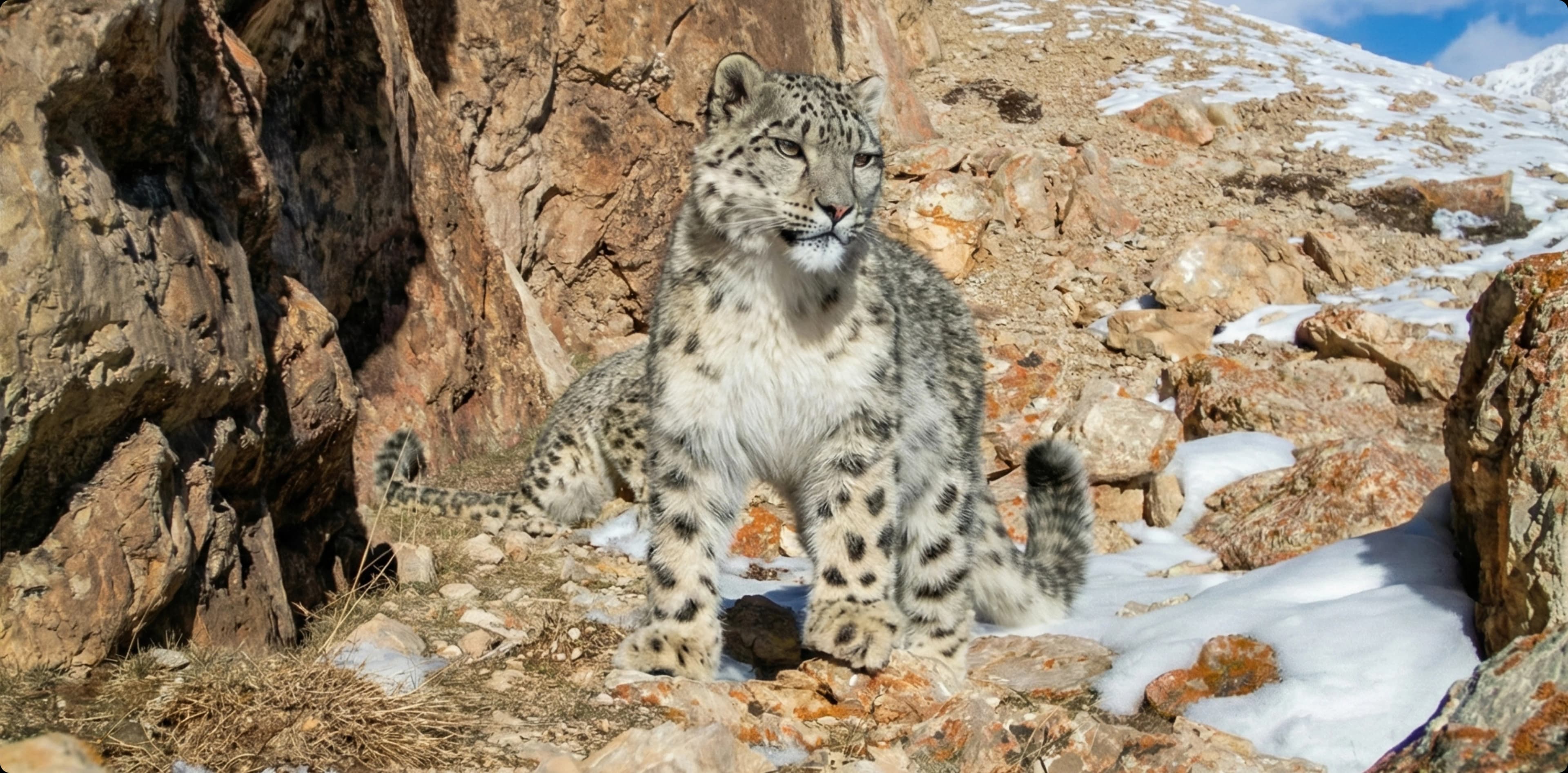
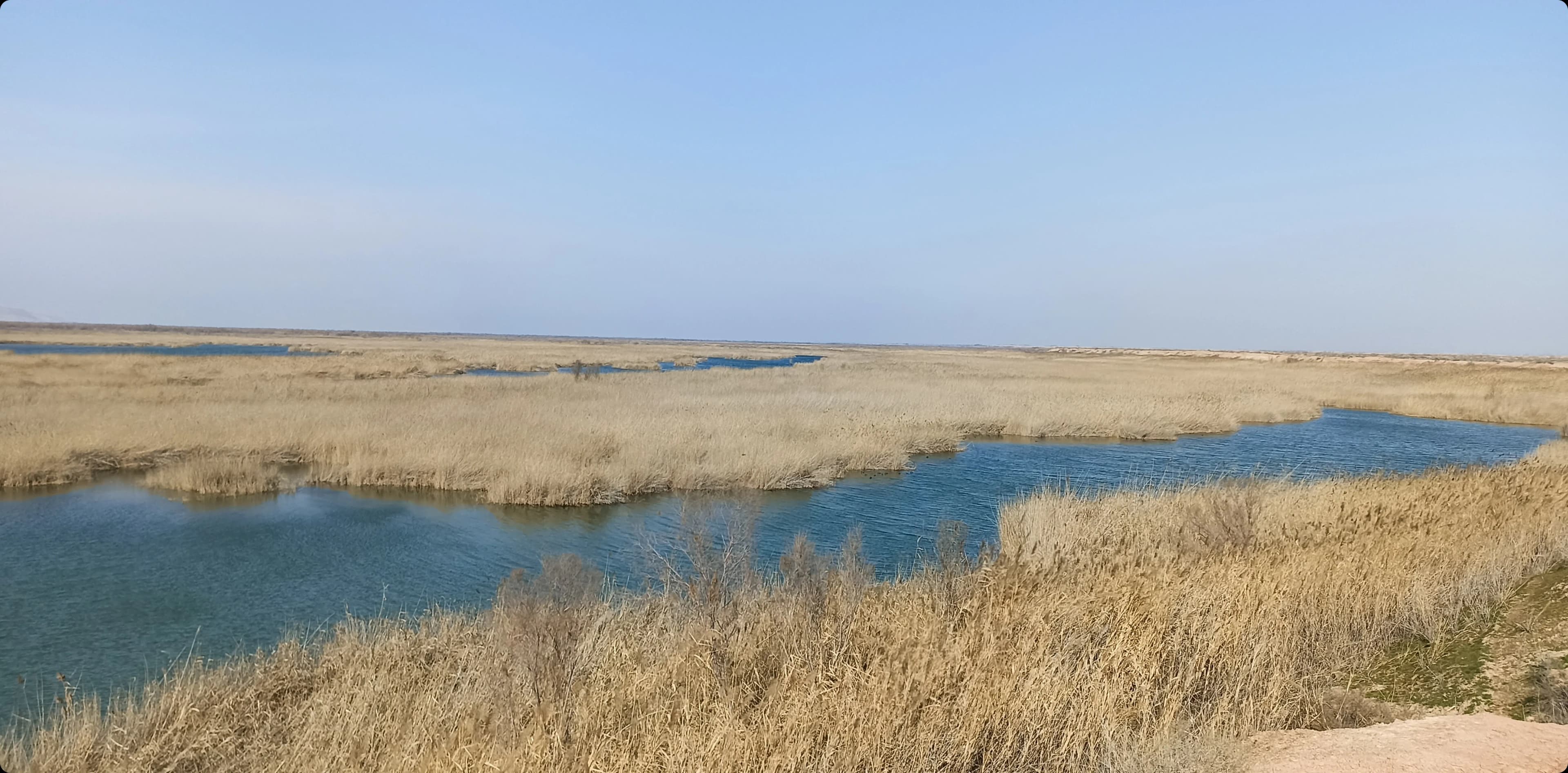
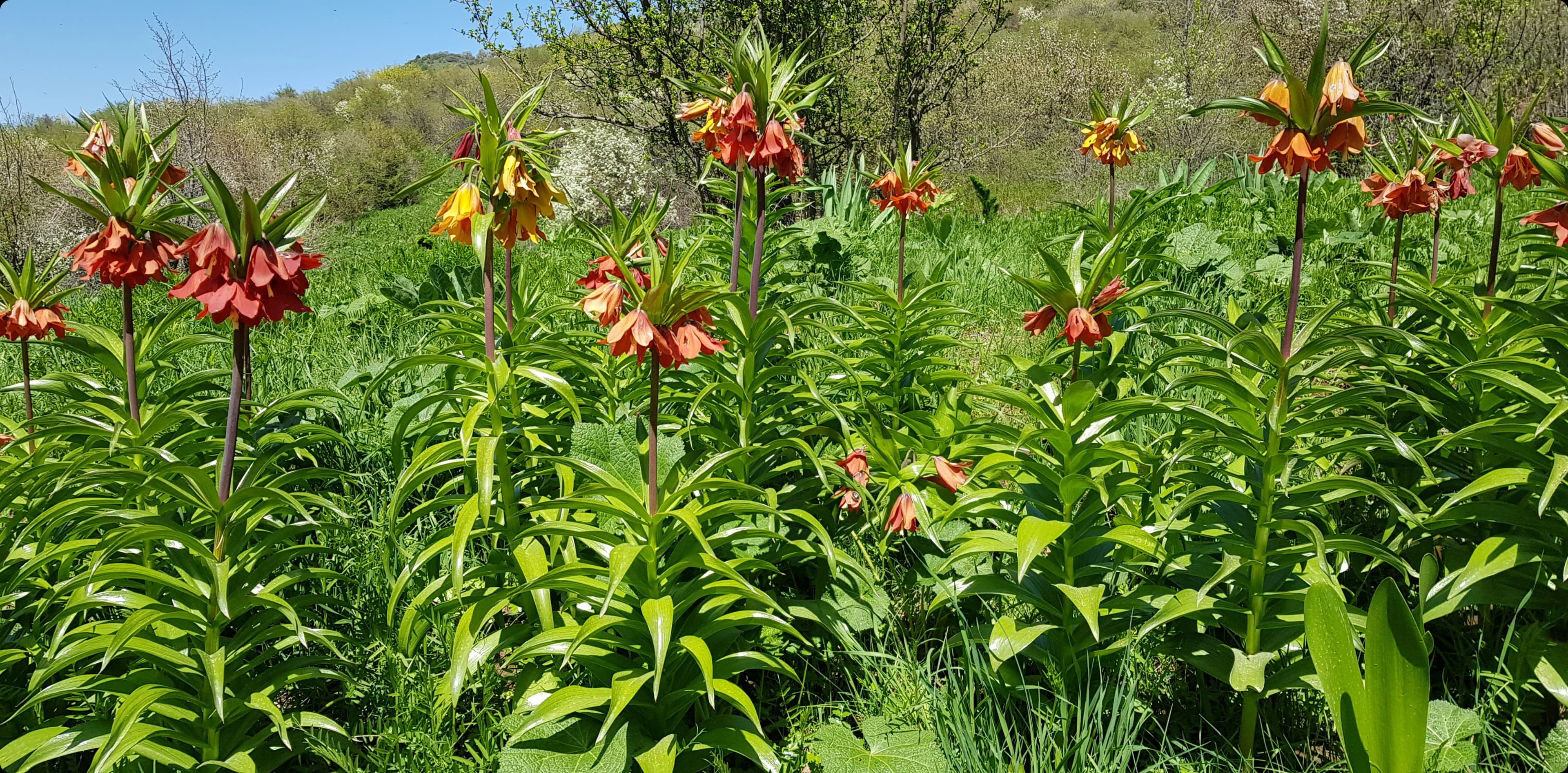
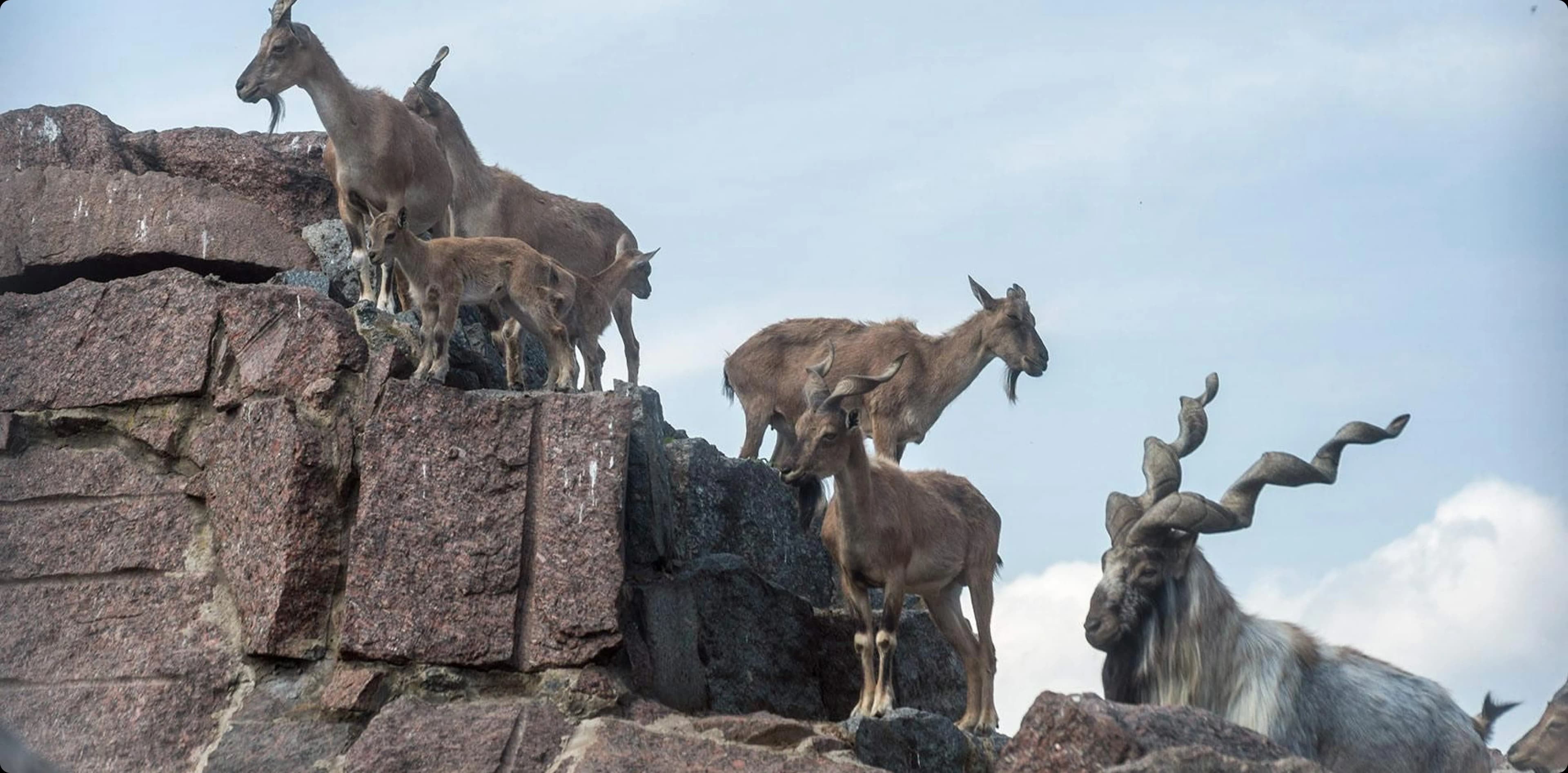
Tajikistan boasts diverse ecosystems, from tugai forests to alpine meadows. It is a critical habitat for the elusive Snow Leopard. Other iconic species include the Marco Polo sheep (Ovis ammon polii), Markhor(Capra falconeri heptneri), and Siberian Ibex(Capra sibirica alaiana Noack). The flora includes over 5,000 plant species, many of which are endemic wild ancestors of fruit crops like apples and apricots.
Strategic Vision and Documents
Tajikistan has adopted several key strategic documents to guide its transition to a sustainable future:
- 1Green Economy Development Strategy (2023–2037): A comprehensive roadmap aiming to double renewable energy capacity, introduce electric transport, and ensure the efficient use of natural resources. The strategy targets complete "green" energy independence by 2037.
- 2National Strategy for Adaptation to Climate Change (to 2030): Focuses on increasing resilience in critical sectors such as agriculture, water resources, and energy. It outlines specific measures to mitigate disaster risks and adapt to changing weather patterns.
- 3National Biodiversity Strategy and Action Plan: A key framework for the conservation and sustainable use of the country's biodiversity, aligning national efforts with the global Convention on Biological Diversity (CBD) targets. The current iteration outlines priorities, targets, and actions up to 2030.

Global initiatives
Tajikistan is a global pioneer in water and climate diplomacy, spearheading several major initiatives:

National initiatives
"Green Country" Program
A national greening initiative that includes an ambitious plan to plant 2 billion trees by 2040 to combat desertification and reduce the country's carbon footprint.
Environmental Education Program
A state-level initiative focused on integrating environmental knowledge, sustainability principles, and responsible ecological behavior into the national education system, from schools to universities.The user is asking me to perform two actions: "Conduct online research" and "translate into russian by using the official translations of the documents."