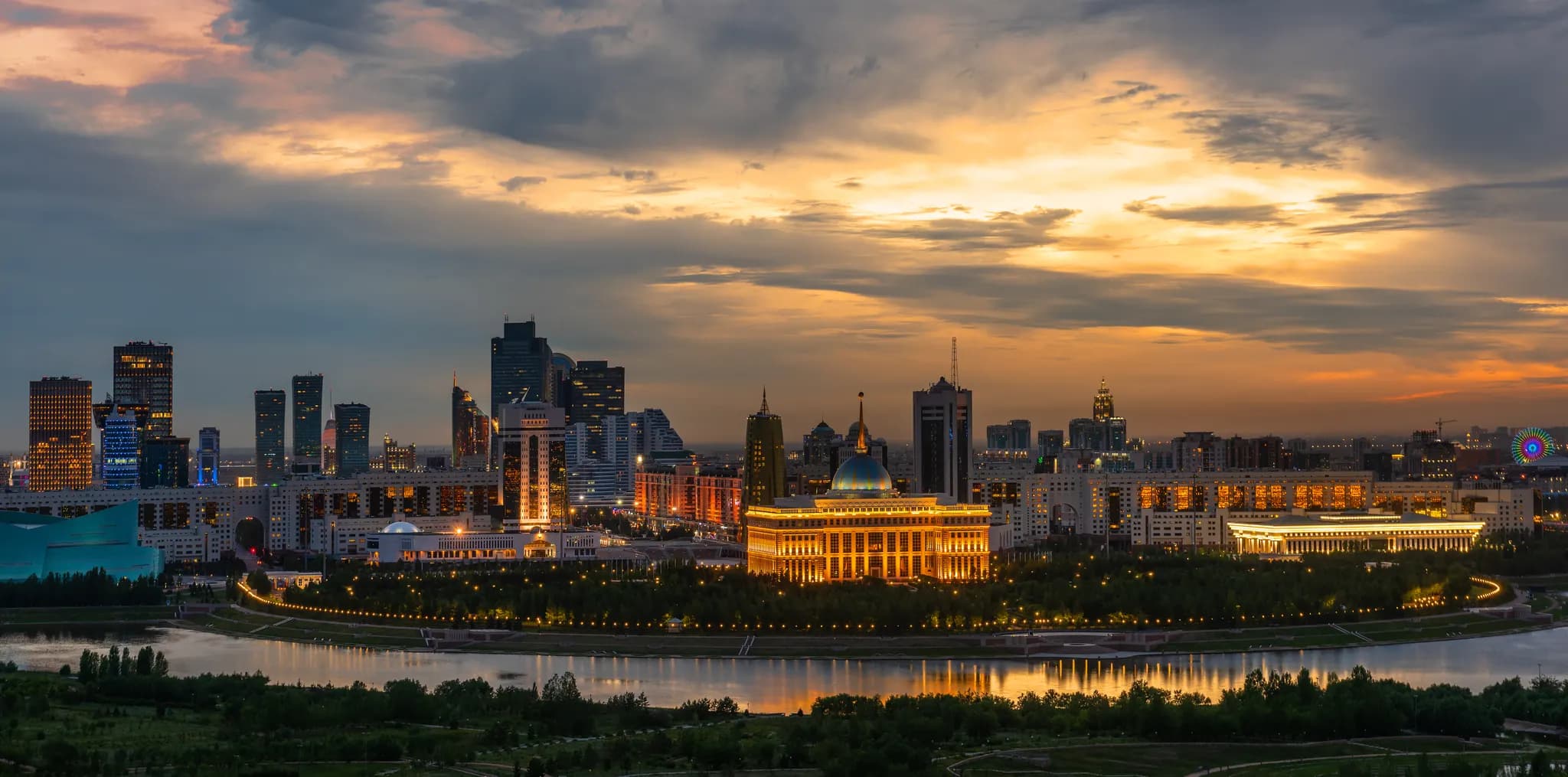
Astana

The capital of the Republic of Kazakhstan, a dynamic metropolis where nomadic cultural traditions combine with innovation and world-class architecture
Astana History

City history

The history of Astana begins in 1830 with the construction of the Akmola fortress on the Ishim River. A city grew around it - an important trade and economic center of the region. During the Soviet period, the city was named Tselinograd and became one of the key centers for the development of virgin lands. It was then that it actively developed as an industrial, educational and scientific city, laying the foundation for future growth. In 1997, a historic decision was made to move the capital of Kazakhstan from Almaty to Akmola. Already in 1998, the city received a new name - Astana - and a new status, becoming a symbol of independence, renewal and strategic development of the country. On May 6, 1998, Akmola was renamed Astana, and in 1999 it received the title of "City of Peace" by UNESCO decision. Since 2000, the city has been a member of the International Assembly of Capitals and Major Cities.

1830

Foundation of Akmolinsk

1961

Tselinograd, period of active growth

1997

Transfer of the capital from Almaty

1998

Astana

Architecture and symbols

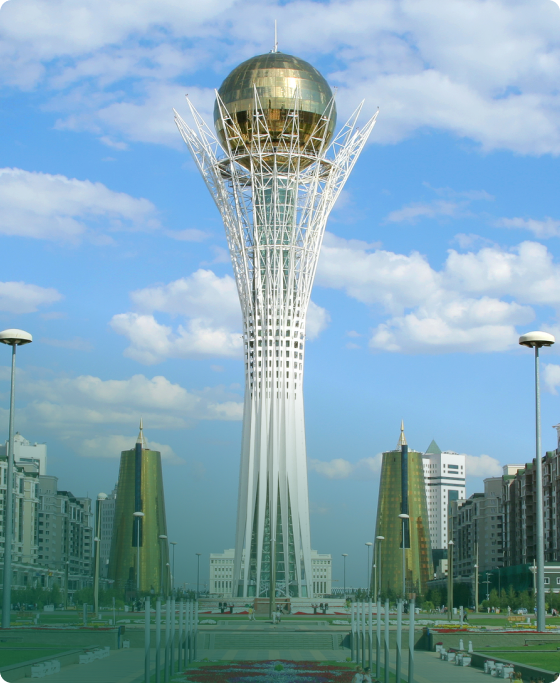
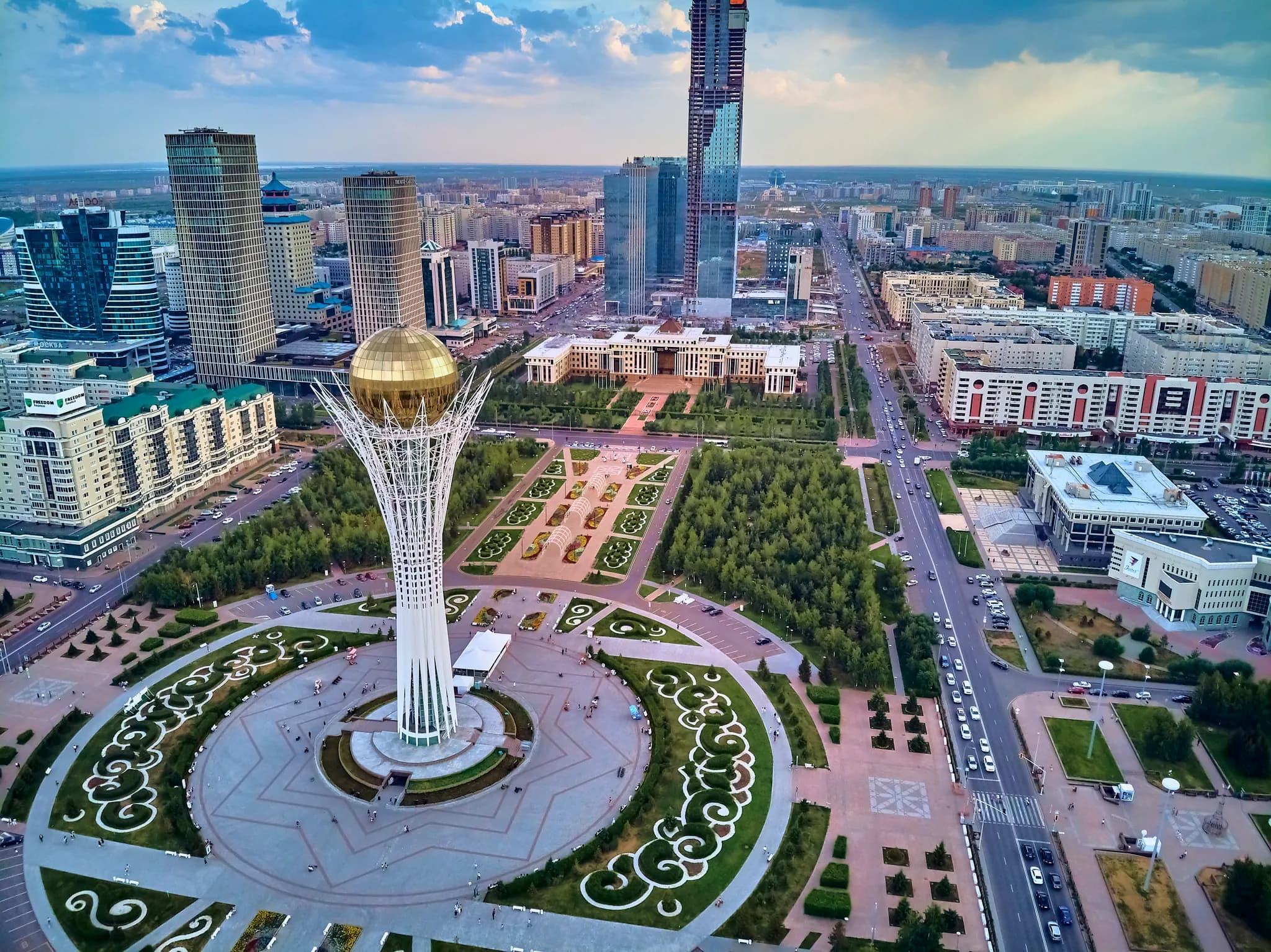
Baiterek

Baiterek

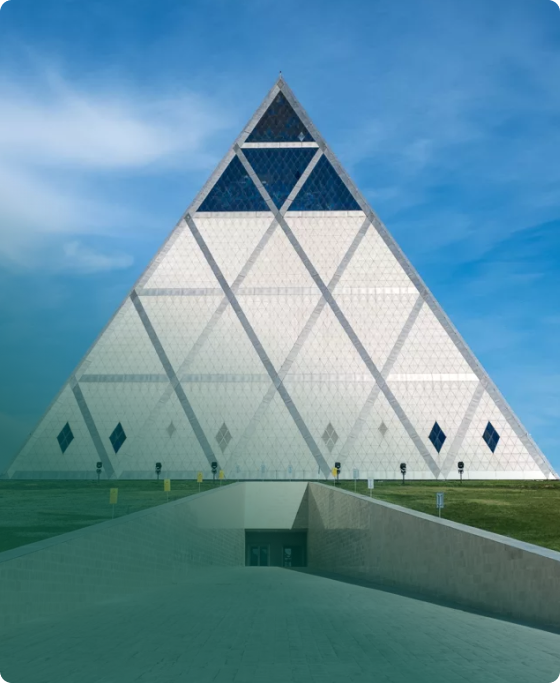
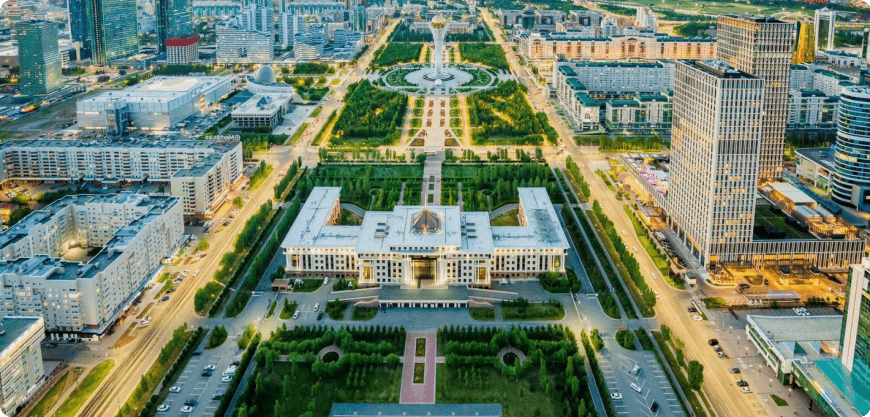
Palace of Peace and Accord

Palace of Peace and Accord

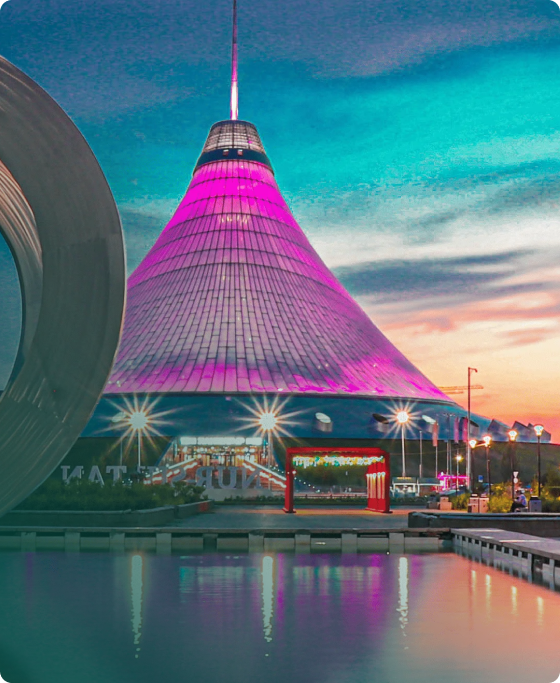
Khan Shatyr
Khan Shatyr

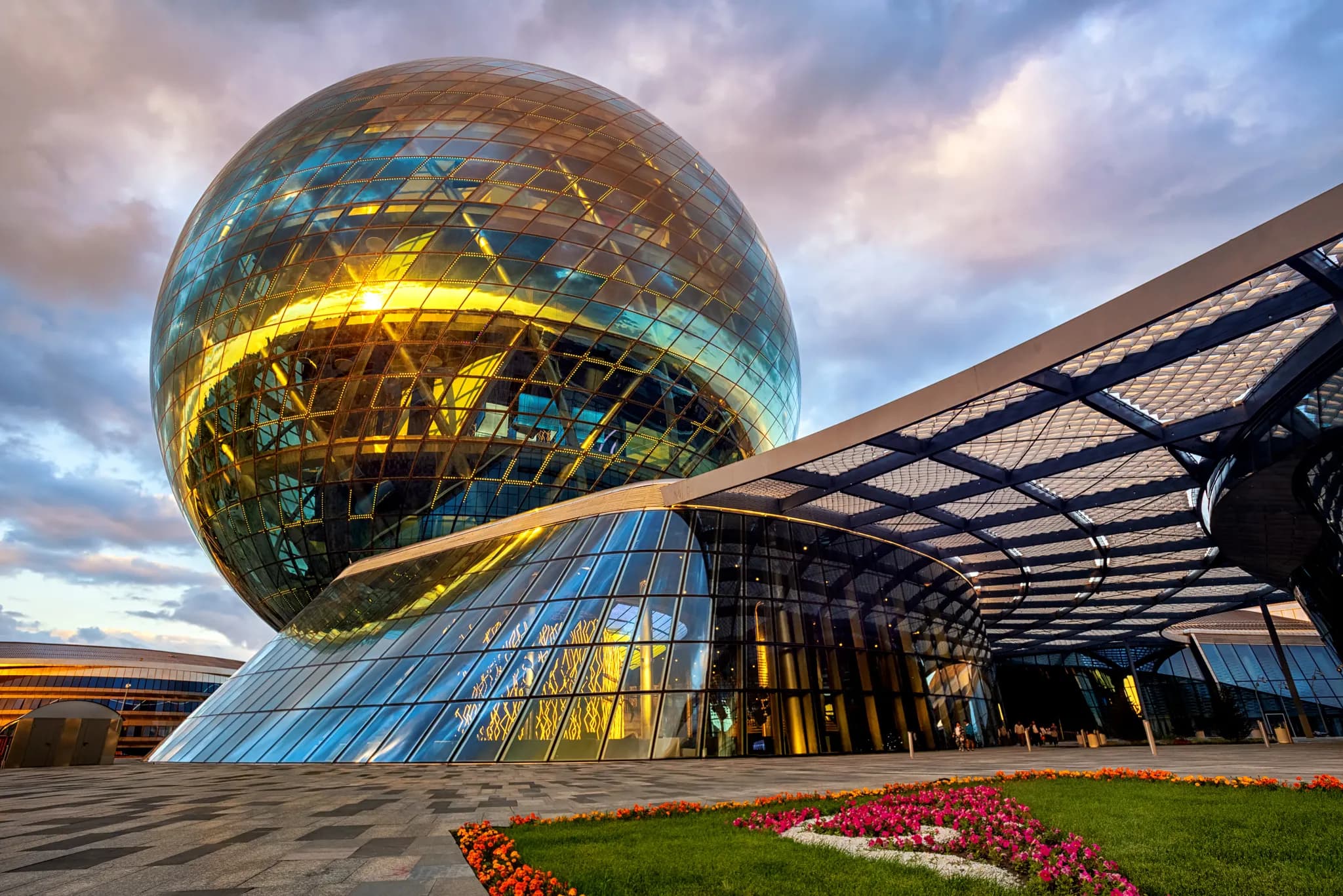
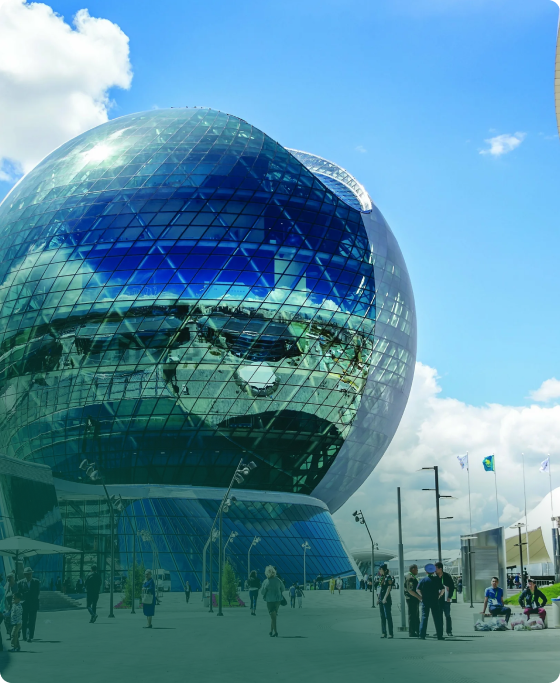
Museum of Future Energy

Museum of Future Energy

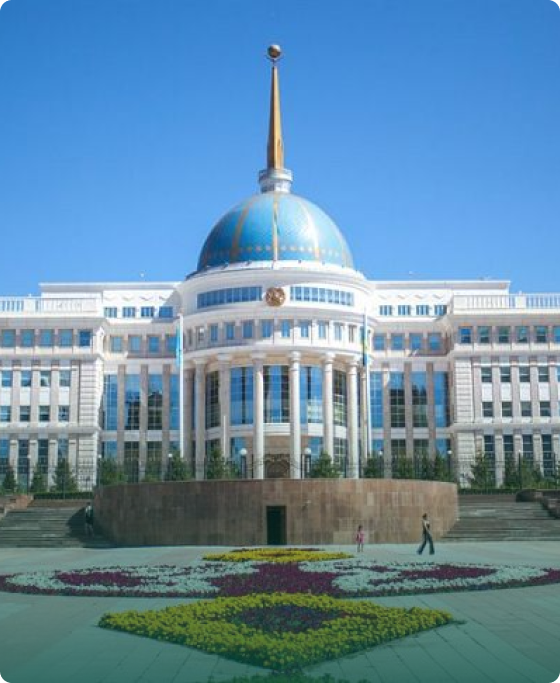
Ak Orda

Ak Orda

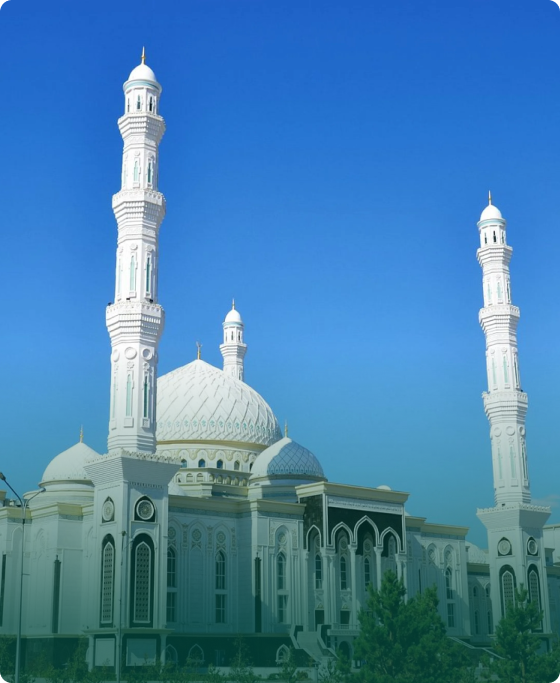
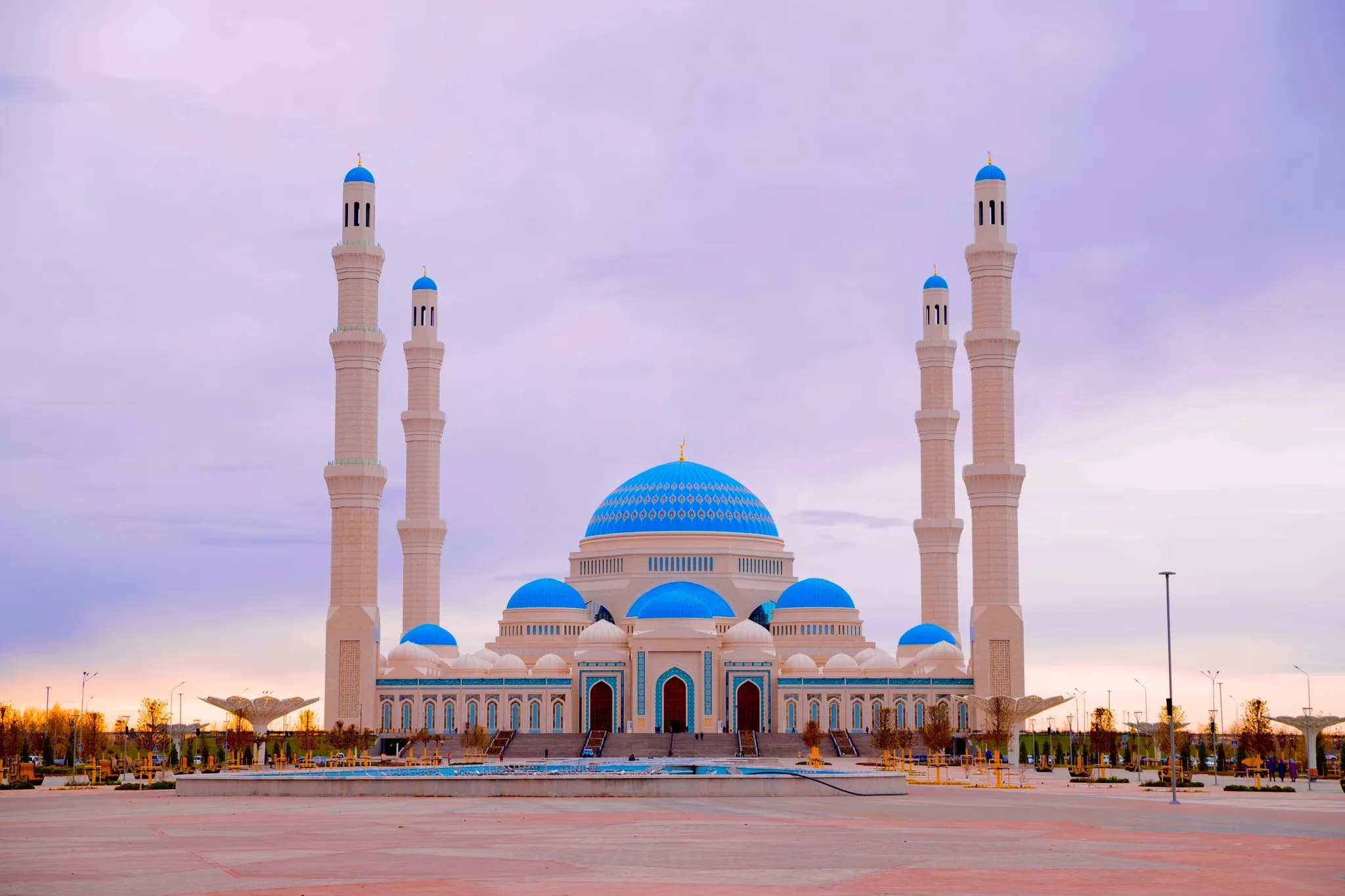
Khazret Sultan Mosque

Khazret Sultan Mosque

Culture and traditions

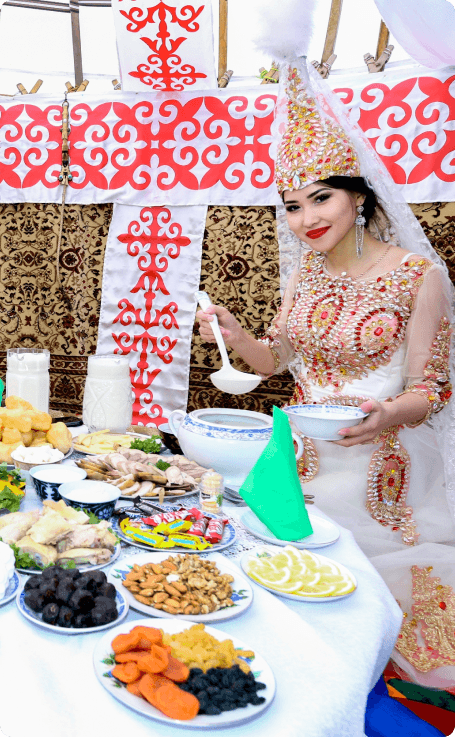
Astana is a city where cultural heritage is carefully preserved while creating a modern identity. Here, the national traditions of Kazakhstan are organically woven into the rhythm of the dynamic capital, forming a unique atmosphere of openness, respect and diversity. The cultural life of the city is based on the traditions of the nomadic people: respect for elders, hospitality, unity with nature and reverence for family. These values are felt not only in holidays and rituals, but also in the daily life of the city - in the warm attitude towards guests, the desire for dialogue and mutual understanding.

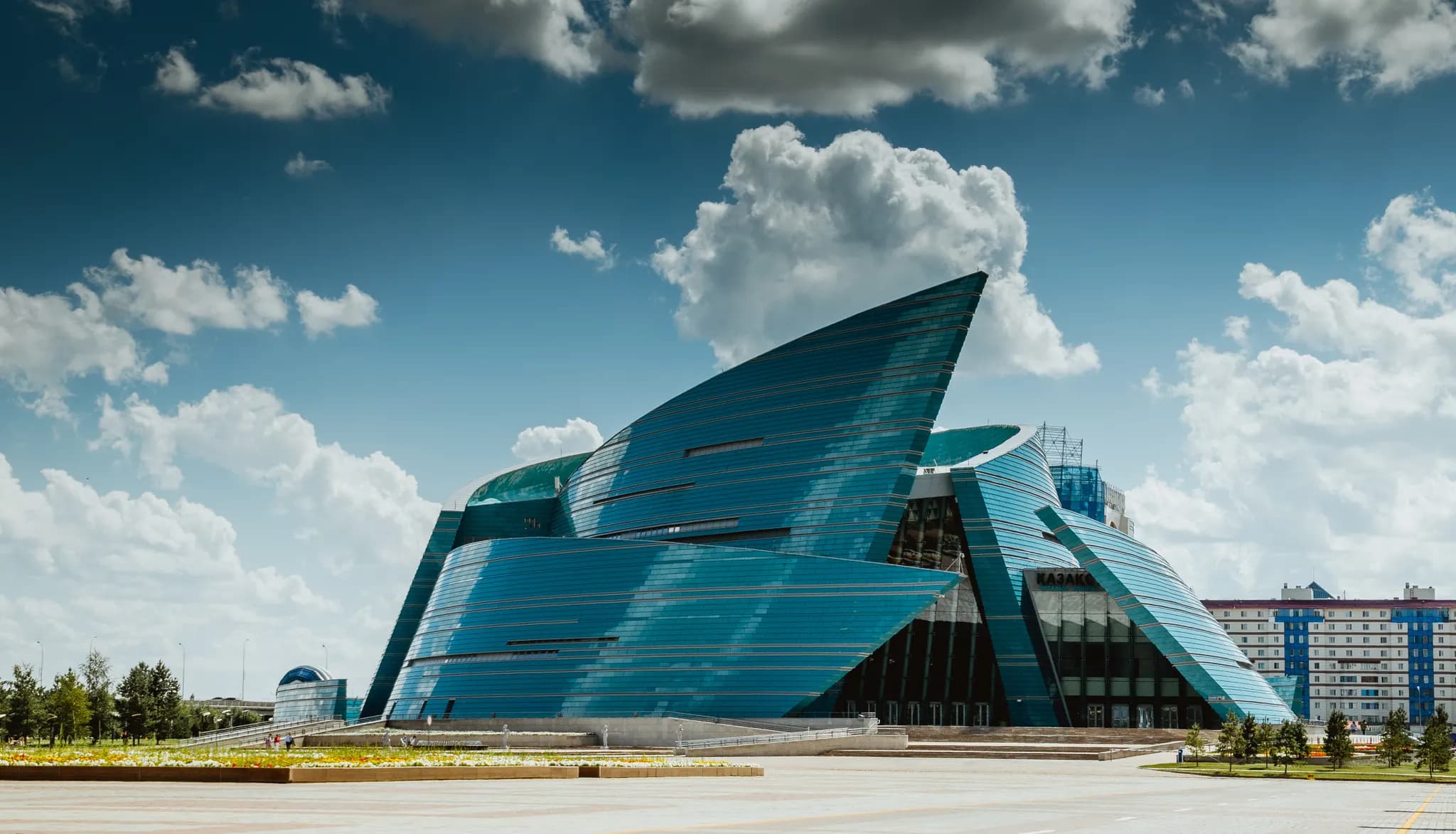
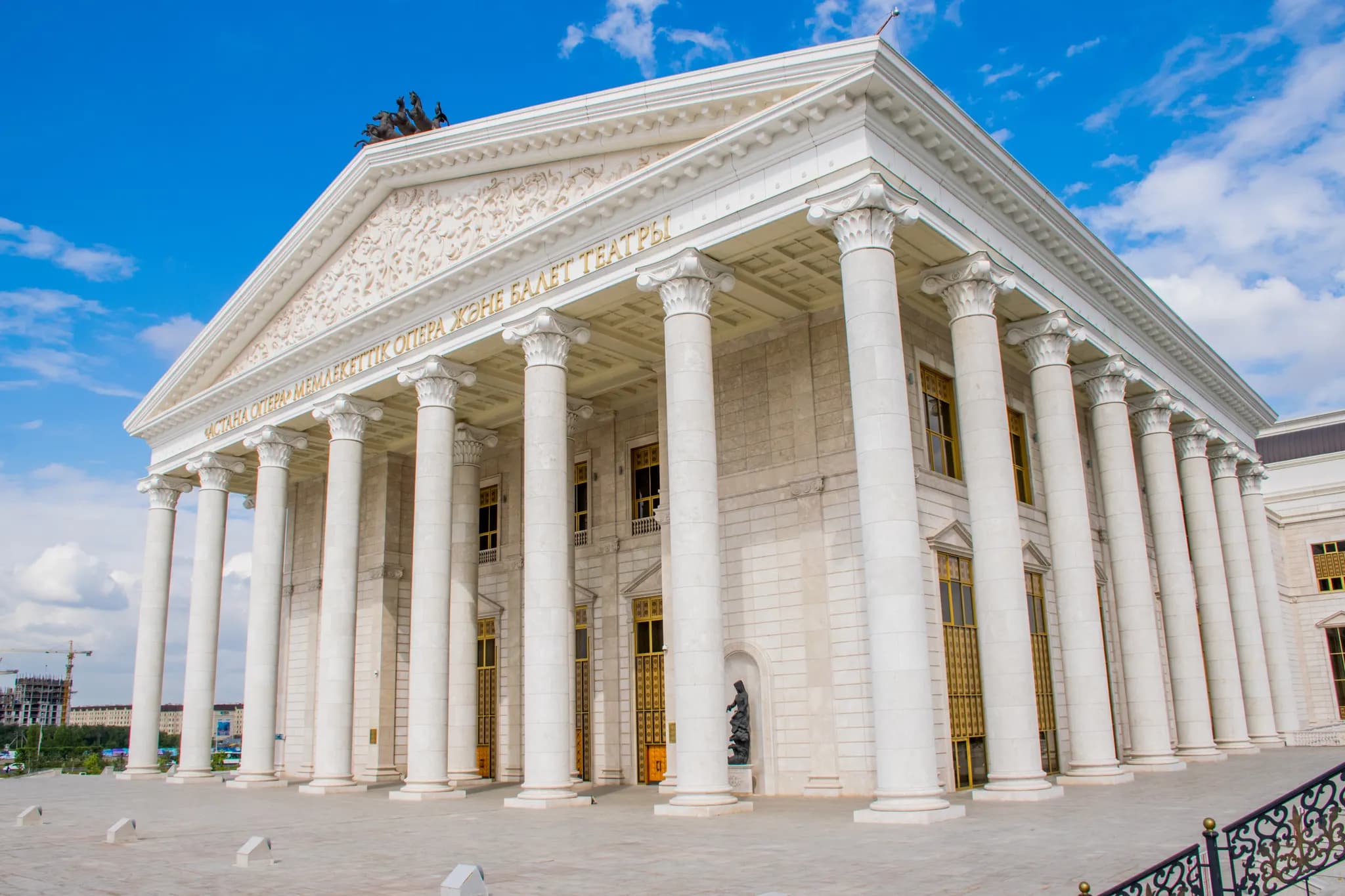
National holidays occupy a special place in the life of Astana. Nauryz, Capital Day, Independence Day are celebrated on a grand scale and brightly, uniting residents and guests of the city. Squares and parks are filled with concerts, fairs, national games and theatrical performances. The cultural space of the capital is rich and diverse. Theaters, museums, galleries and concert halls coexist with modern art spaces, street culture festivals and international exhibitions. Astana has become a platform for dialogue between different cultures, where traditional art and modern forms of self-expression meet.
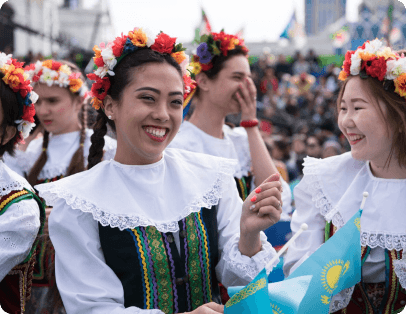
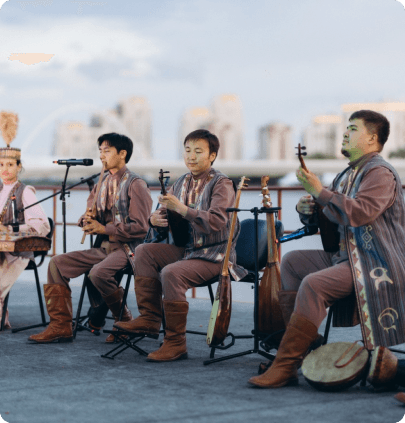
Astana Culture and TraditionsAstana Culture and Traditions
Astana Culture and Traditions

Interesting facts and figures
1,4+
million residents
50+
international events per year
≈ 800 км²
city area
3+
million tourists per year
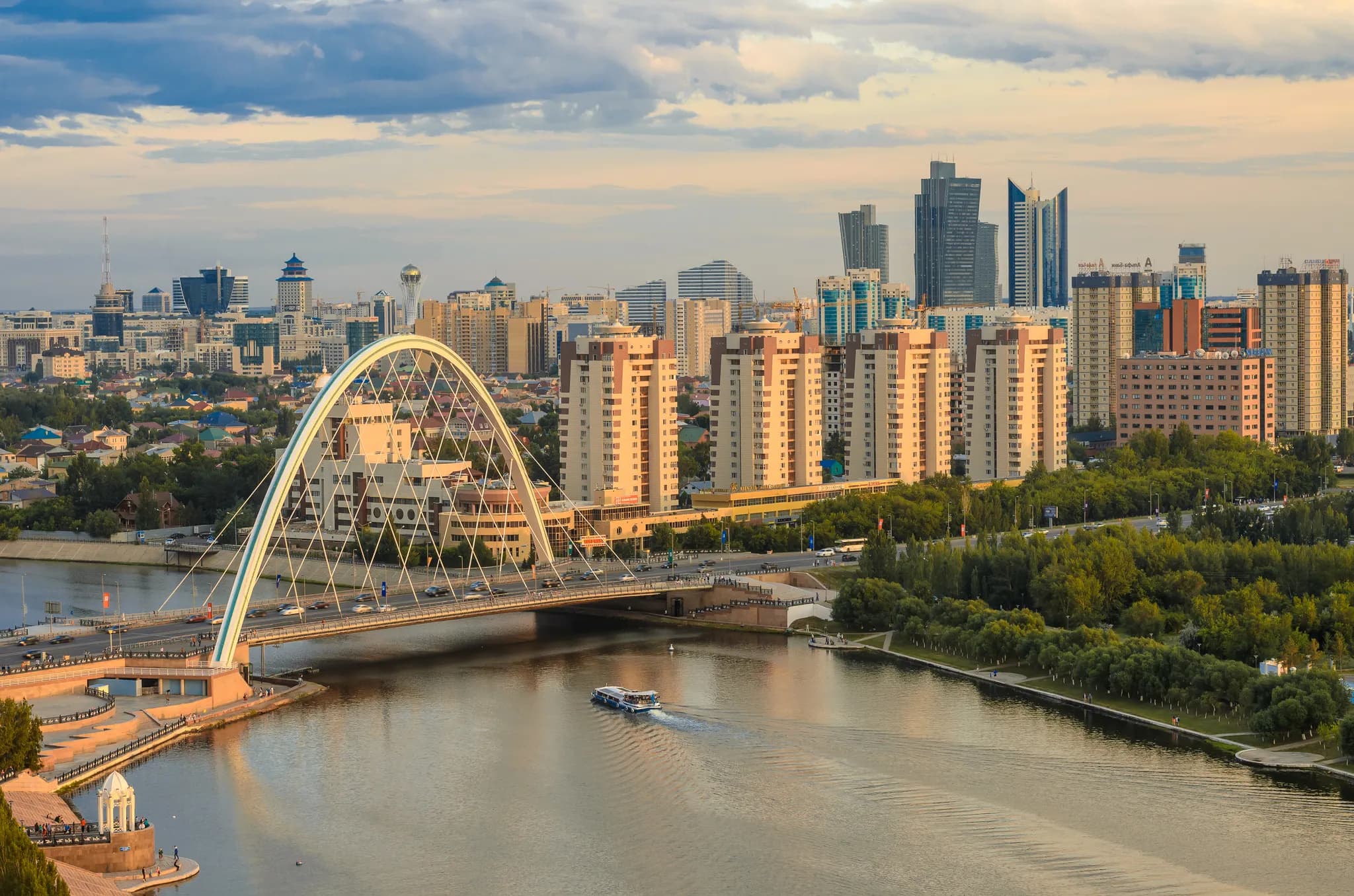
Astana is the capital of Kazakhstan

Bayterek